The Moment Before: Meet the Artists of KINETICS 2026
Every piece of art starts with a decision. Before the first mark, before the first cut, before the shutter clicks, there’s a moment when an artist chooses.
I came to noticing the moment before the moment through a camera. For years I’ve been photographing people, and somewhere along the way I realized the image I love most is almost never the posed one. It’s the one right before, when someone decides to laugh, or lean in, or let themselves be seen. Once I saw that moment, I started seeing it everywhere, in my own creative adventures and in my own decisions.
I’m intrigued by what happens there. What is an artist feeling and thinking right before they begin? Do they know how they’ll start and what they want to create? Or do they lean into the uncertainty and trust that something will be called forth once they begin? Every artist’s approach is different, and every way is unique to them. I relish discovering what empowered each of them to go so deep into creating that everything seemed to conspire on their behalf, and then to let that exceptional piece go, so others can embrace and enjoy it.
Being endlessly curious about that moment, I asked the KINETICS artists to take us there and talk to us about the decisions behind their work, the parts that rarely make it into an artist statement. Here are some of my favorite answers, in their own words. Along the way, I share a few things their answers sparked for me, marked “This Makes Me Think Of…”
See their work in person at Baton Rouge Gallery, then join us for KINETICS on Friday, November 13, 2026.
** Please note that you can see the work of each artist who participated in this article directly below their responses.
Beth Welch
What was happening right before you started this piece?
I usually begin by rummaging through stacks of photographs, waiting for one to make me pause. I've learned to pay attention to that moment of hesitation because it usually means something about the image has caught my attention. Maybe it's the story behind it, an interesting composition, or something I can't quite put my finger on. Whatever it is, that pause is often where the creative process begins for me.
When you're uncertain, what guides your next move?
I usually break down my process by asking myself, "What's the next right move for this piece?" It's almost like an ongoing conversation between my brain, my hands, and my eyes. If I can focus on just the next one-inch-square section and figure out what it needs, the piece will continue to move forward and, hopefully, improve.
I think of it almost like a game, where each decision leads to another. Eventually, I reach a point where I can't see another move that would make the piece better, at least not with the skills and perspective I have in that moment. Of course, that might change the next morning when I wake up and look at it with fresh eyes.
But ultimately, I'm working toward a place of peace with the piece, where I can step back and feel that nothing else needs to be added, changed, or taken away.
What never makes it into your artist statement?
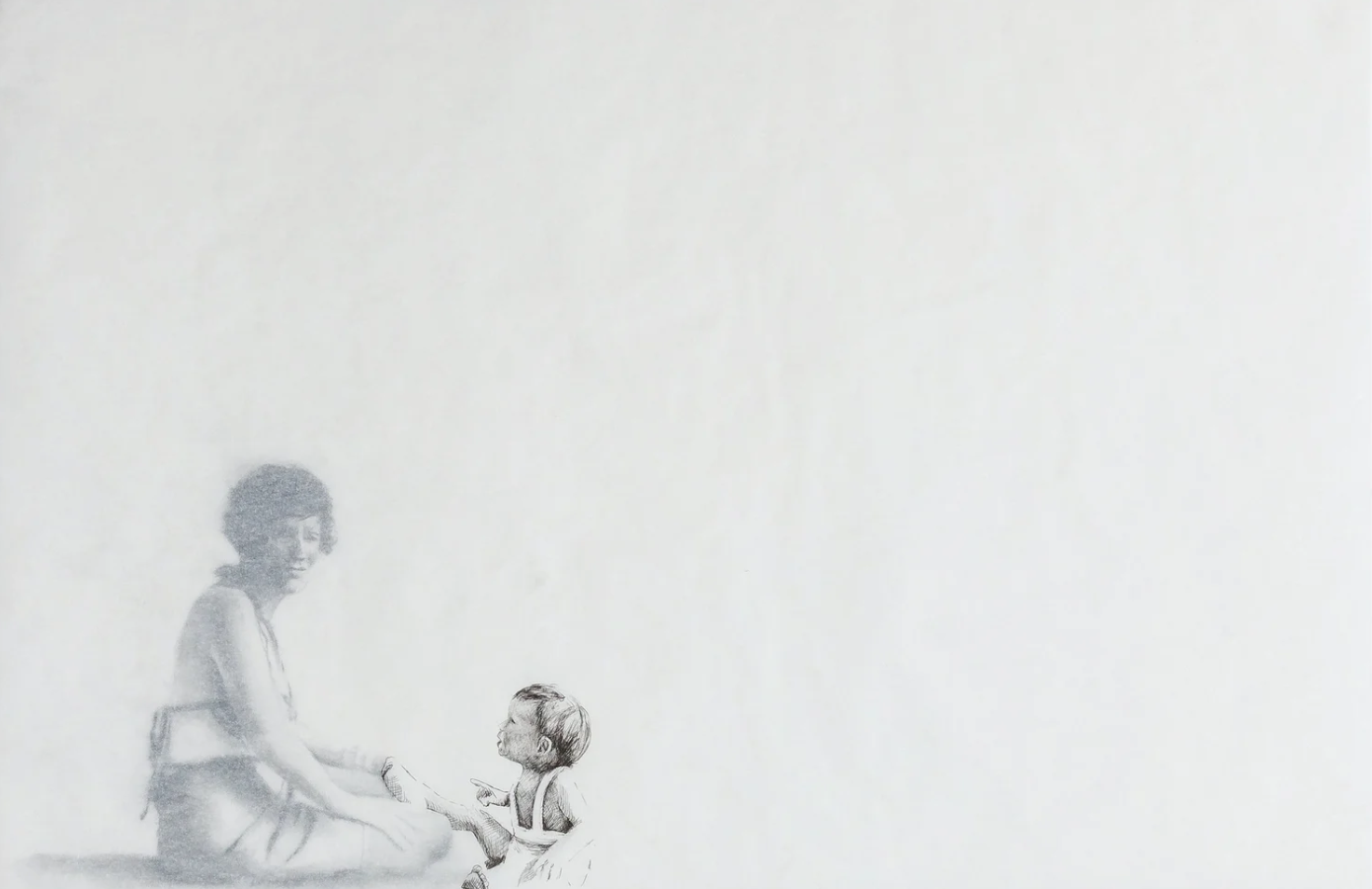
Great question. Two things really stand out to me in this one. First, I am constantly trying not to tell the entire story in the narrative. I want to leave space and room for the viewer to add a bit of their own story and meaning to the piece. I am constantly trying to leave a little room for mystery in the painting or drawing. If I give away all the things I am thinking, I fully expect the viewer to look at it, say, "Okay, got it," and move on. Whereas I am trying to get the viewer to ask, "Why are they doing that? Where is this painting happening? Why is the background simple? Why can't I see her face?"
Second, it is fascinating to me that sometimes the meaning develops as the work does. With my Living Memory series, for example, it started off as just making drawings of my mother as I grappled with the grief of her memories fading. Then it turned into how I feel as a mother and my fear of being forgotten by my own son one day when he is in his 30s. And from there, other women started to see themselves and their own motherhood journeys in the work. So, something that started out as a way to handle the grief of losing my mother turned into a whole body of work about memory in the context of motherhood.
Eleanor Owen Kerr
What was happening right before you started this piece?
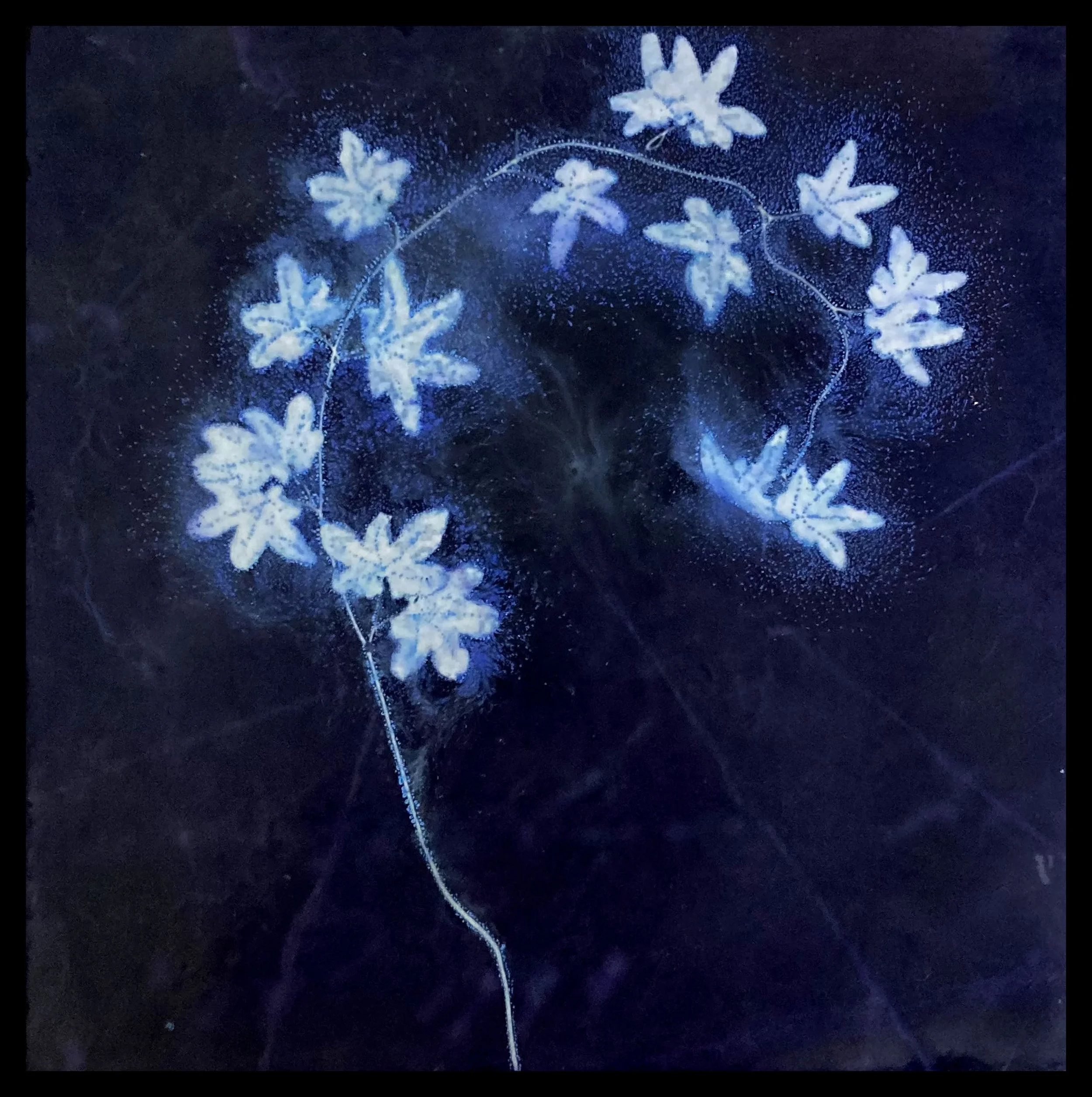
The tenacity of the clematis vine combined with the delicate drama of its bloom had captivated me for weeks. I could no longer resist.
When you're uncertain, what guides your next move?
If I get a fluttery feeling in my stomach as the exposure becomes visible, I know I'm on the right track.
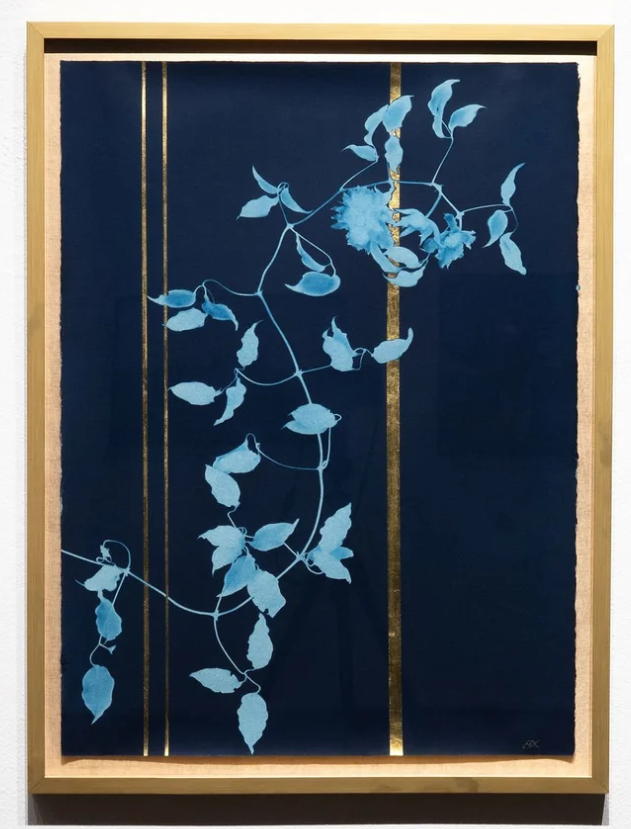
A pause or a flutter, a feeling that shows up before the words do. That small second of hesitation before we choose is often the most important moment of all, and it's easy to rush past it. Art asks us to listen to it instead. There's a simple joy in that part of creating, the feeling of being drawn toward something before we can explain why. Sometimes that feeling arrives as a memory that simply won't let go.
Nonney Oddlokken
What was happening right before you started this piece?
It was a magical memory. It was Mother's Day 2016. I was in Destin, Florida, on our boat with our two children and my husband. A huge rainstorm had come through that morning, but as fast as the storm came in, it passed. Because of it, I guess a lot of the sea creatures retreated into the sound (Crab Island).
I had never seen a sea turtle in the wild before. It swam right under our boat. Because of the light refraction of the water, the turtle looked like a flying rainbow of colors. A turtle of dreams. That vision never left me.
When you're uncertain, what guides your next move?
I TRUST THE PROCESS. I try not to trust my emotions. Emotions aren't truth, so they can deceive you.
What do you hope someone notices as they decide to bring it home?
The extreme amount of work I put into it. This turtle piece has over 75 to 80 different color threads that I worked with.
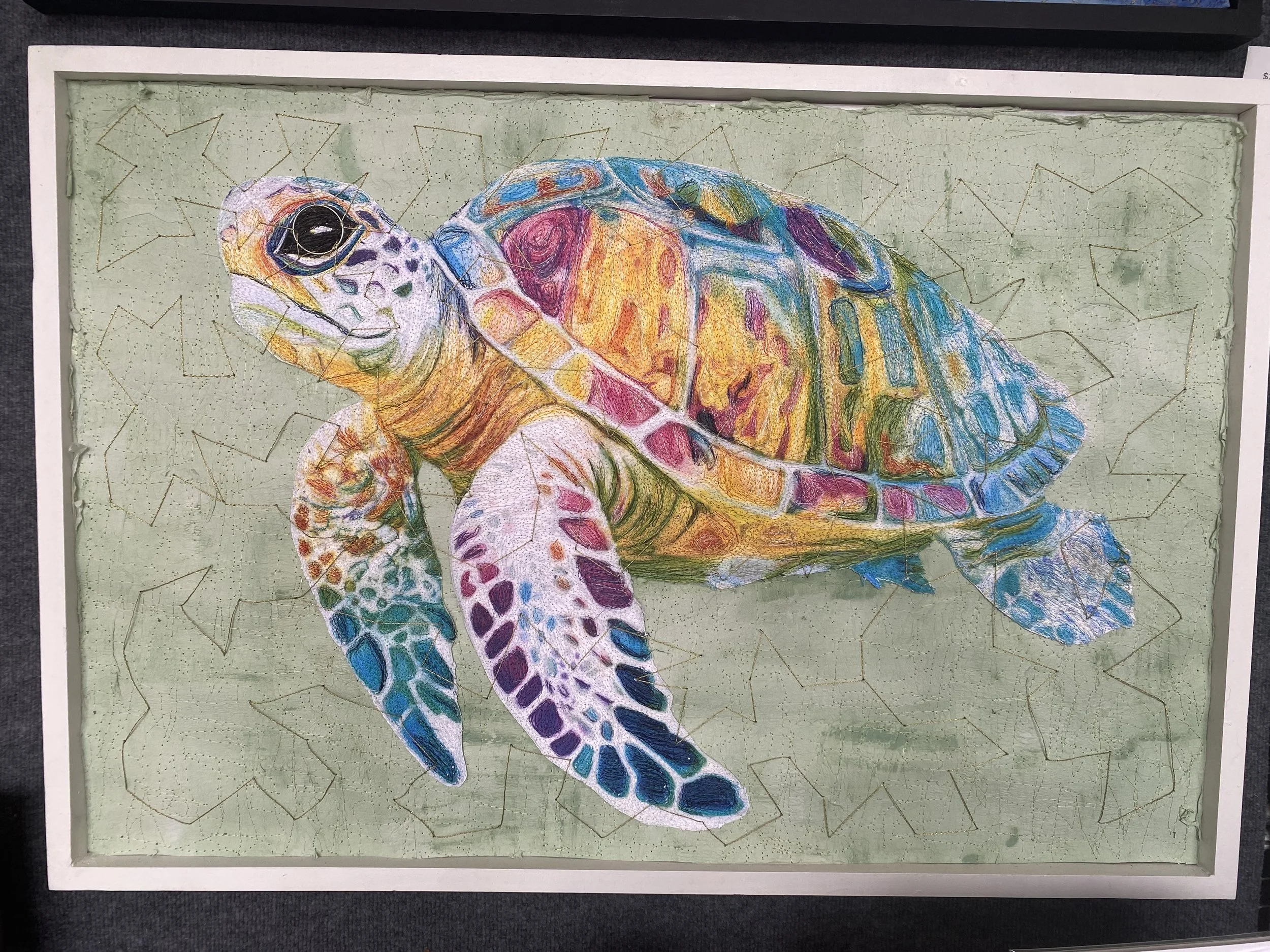
When the next move isn't clear, something still guides it. Sometimes it's a feeling that shows up one day, and sometimes it's the process unfolding. The direction can change, and the decisions still get made. Every finished piece is a record of those choices, and some of them happen on pure impulse.
April Hammock
What never makes it into your artist statement?
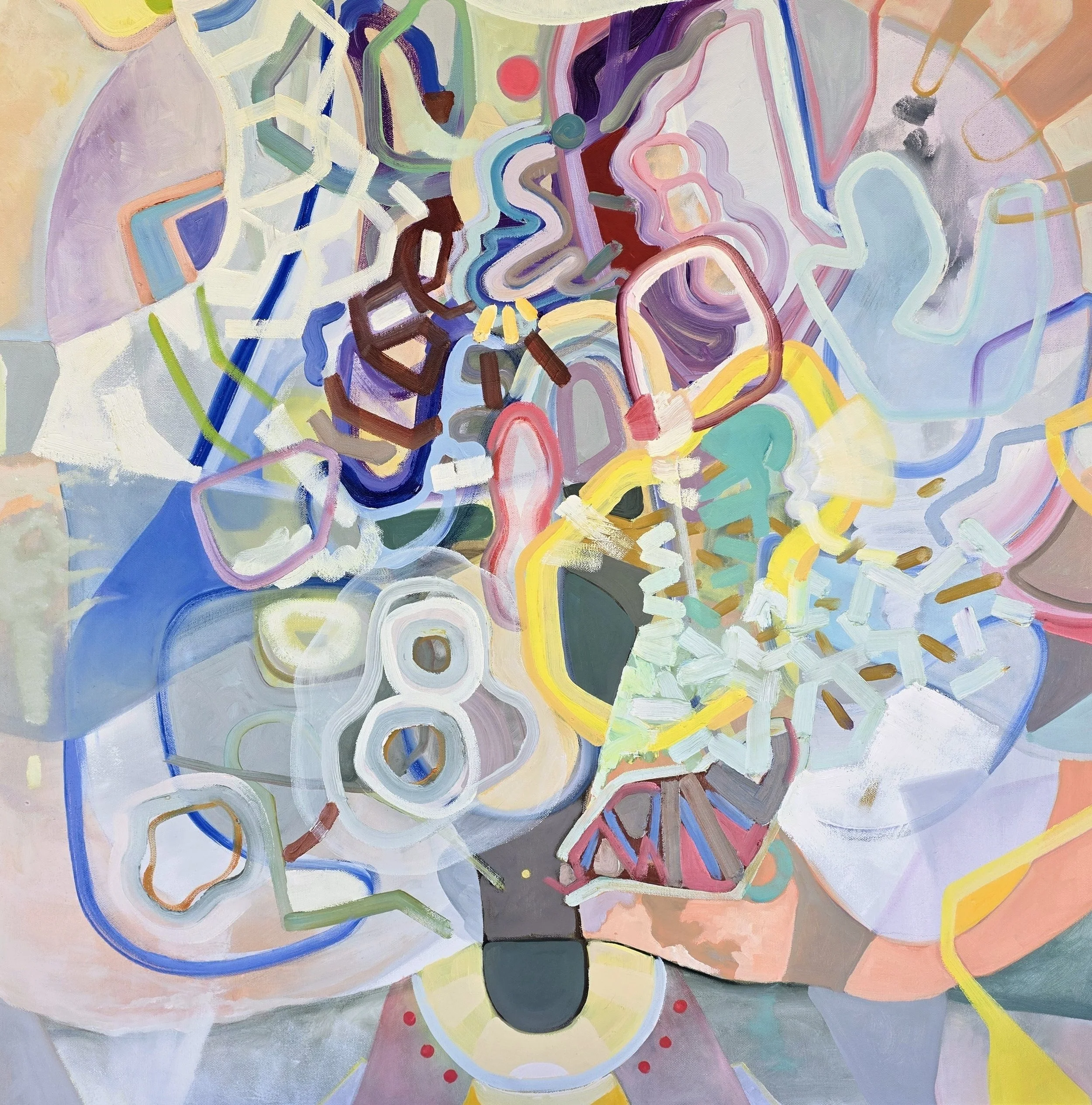
I act impulsively with color.
What do you hope someone notices as they decide to bring it home?
My vision of utopia.
Marcus McAllister
What was happening right before you started this piece?
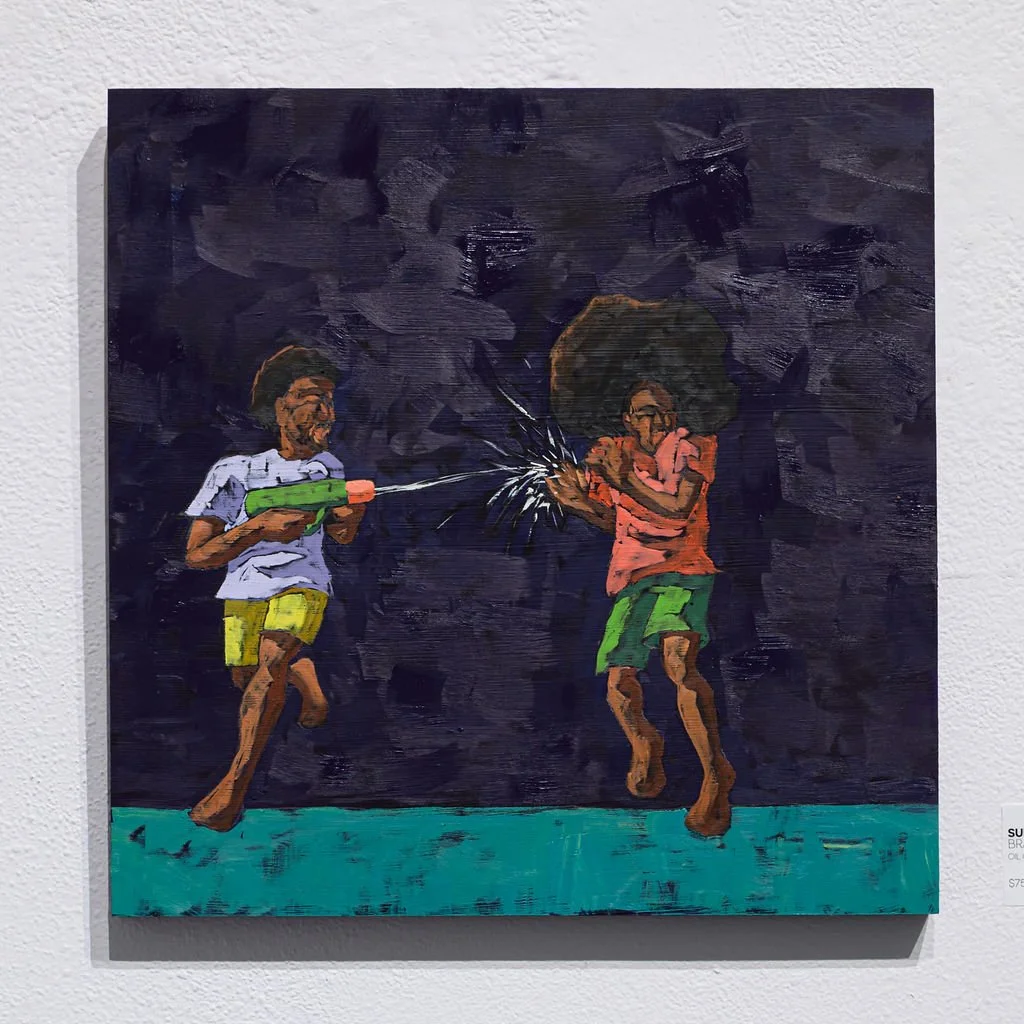
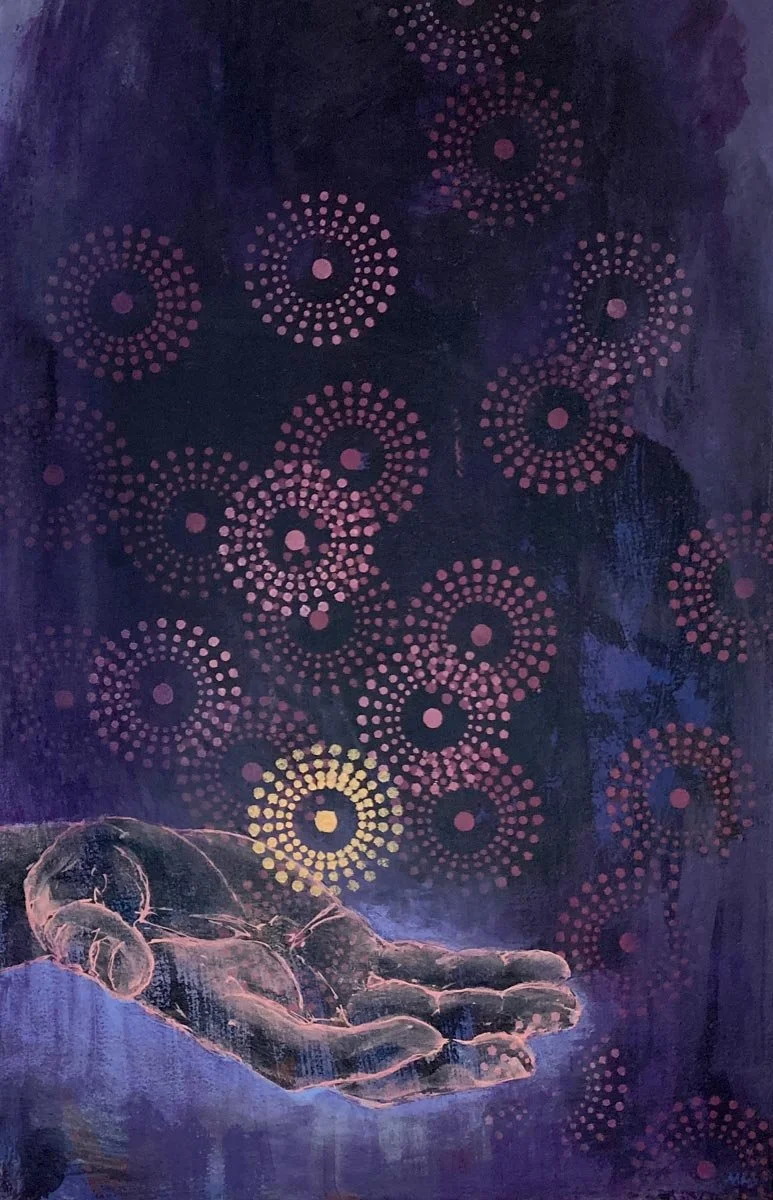
This work is a later piece from a series of open, giving hands after the death of my father in 2022. It started with the dark purple-black background, so I wanted the energy to emerge from the darkness.
What never makes it into your artist statement?
I never have a clear idea or image in mind ahead of time when I'm working on a piece. I can set up a structure, a theme, or a direction, but my deepest wish is for the work to escape me. I want to be surprised!
What do you hope someone notices as they decide to bring it home?
My joy in the dance of motes over the open hand.
Craig McCullen
When you're uncertain, what guides your next move?
Making a stained glass window is making art in the dark. The first time I see my work is when it is complete and placed in front of light. I start with sheets of colored glass; they're already beautiful works of art. (It takes a lot of nerve to cut them to pieces.) I position the different colors to interact and filter the spectrum of light. I place them in hue and value to dance together. As the light changes throughout the day, so does my art. I like to say, "Fasten your seat belt and hang on for the surprise."
What never makes it into your artist statement?
My art is not made to sell… I wish.
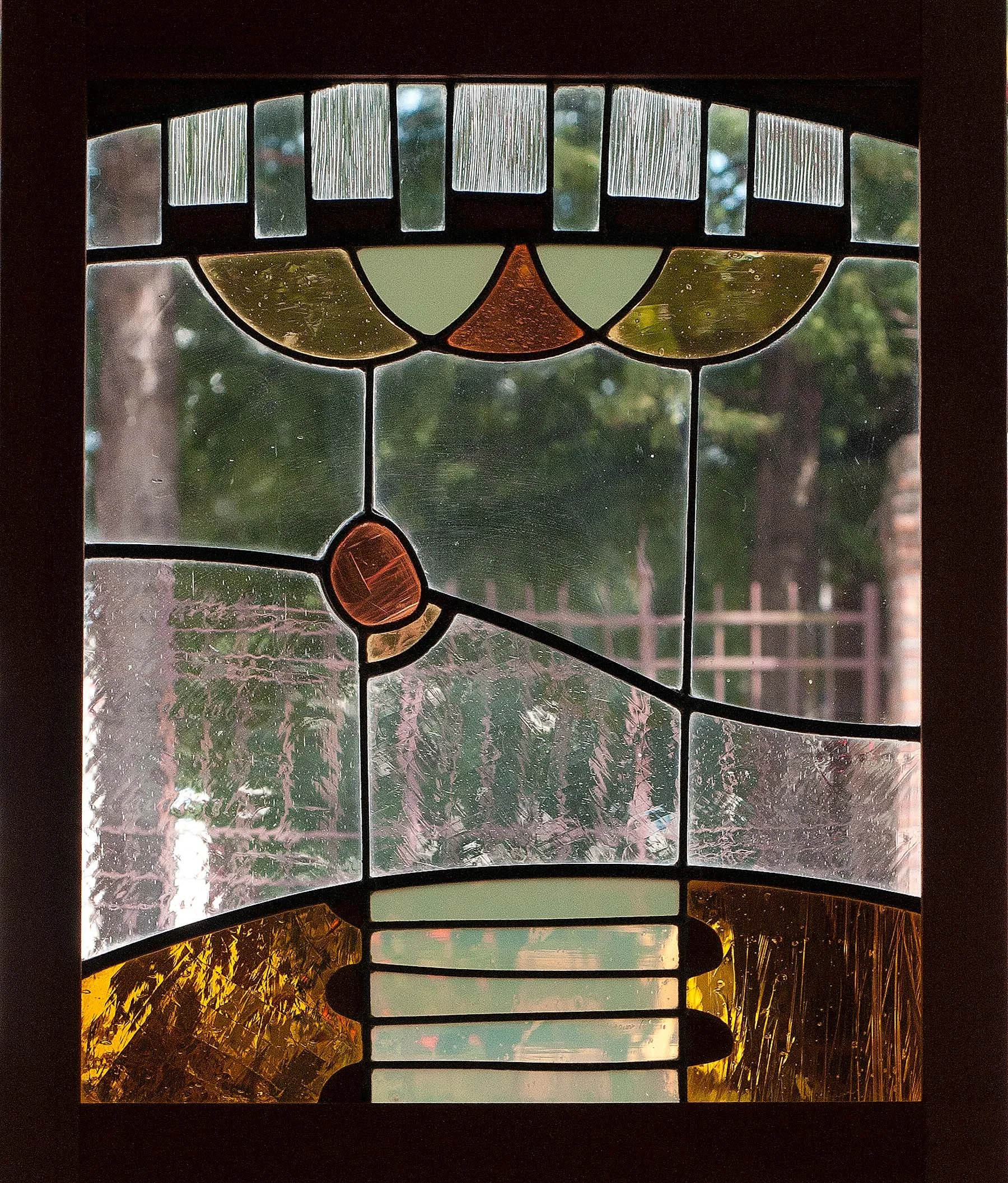
Making art in the dark and trusting the light to reveal it is something worth leaning into. Some decisions can only happen inside uncertainty, where the knowing only comes after we move. That's why the moment before matters so much. It's where we can notice what's actually driving a choice, so we can move through uncertainty without abandoning ourselves. I've spent years paying attention to moments like these, and I call the capacity at work in them Creative Adaptive Intelligence. Sometimes the most interesting move starts with simple curiosity about what would happen if we tried something different.
Jill Stoll
When you're uncertain, what guides your next move?
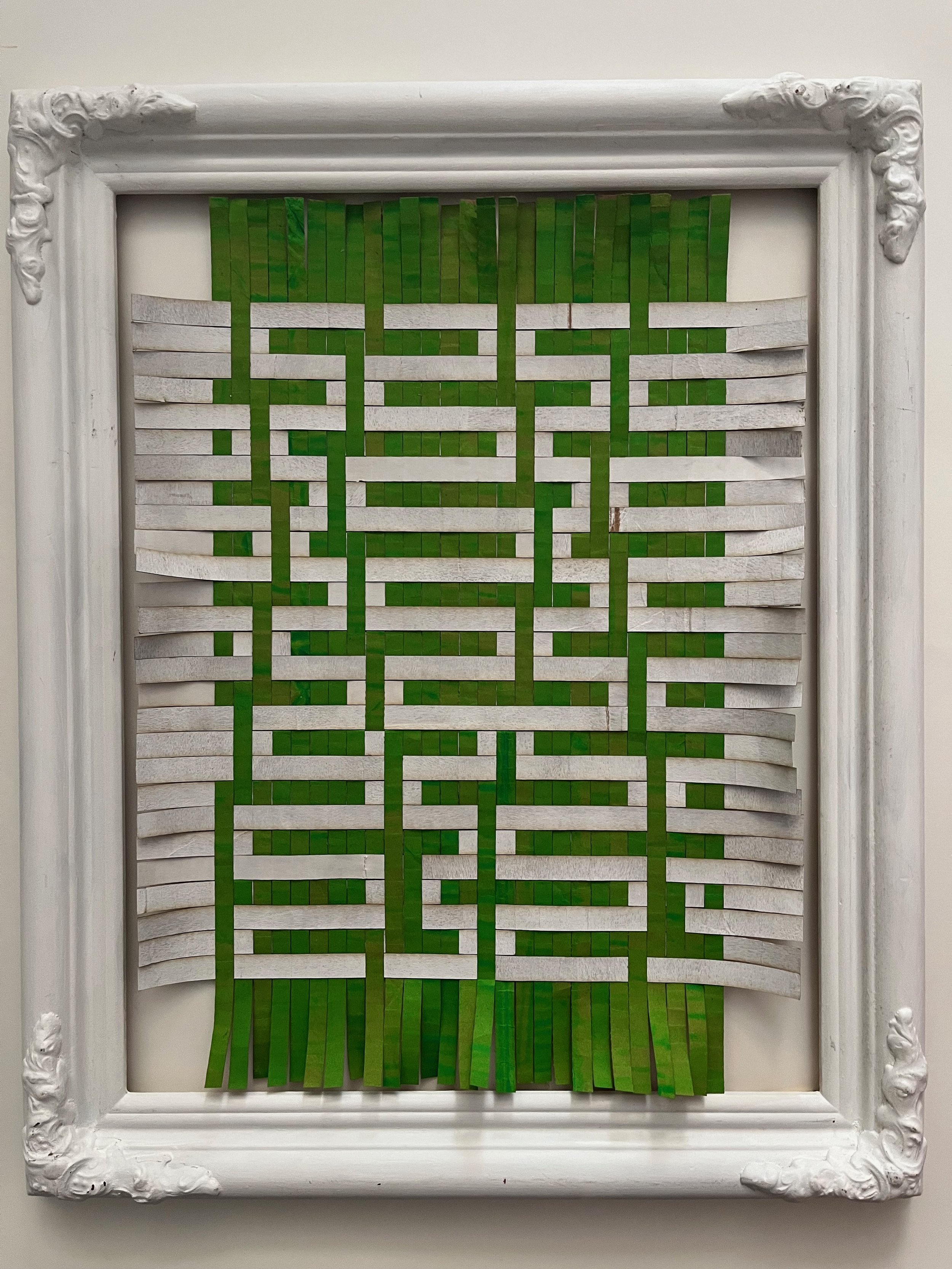
I make rules for myself, and then I break them. I usually have a pretty good idea of where I want a piece to go, but the work inevitably develops a mind of its own. I've learned to pay attention when that happens. Sometimes the most interesting decisions are the ones I hadn't planned to make.
What never makes it into your artist statement?
I think what often gets left out of my artist statements is how much I simply enjoy making things. My work is grounded in ideas about consumption, material value, and reuse, but in the studio, I'm often making decisions out of curiosity. What happens if I cut this differently? What if I change the pattern? What if I try something that I'm not entirely sure will work? There's a lot of experimentation and play involved, and I think that's just as important as the larger ideas behind the work.
What do you hope someone notices as they decide to bring it home?
I hope they recognize that the entire piece is made from humble, reclaimed materials, including the frame. There's something satisfying about taking materials that have already served one purpose and giving them another life. I like the idea that something ordinarily discarded can become an object someone wants to live with and look at every day.
Making rules and then breaking them makes a lot of sense to me as a photographer. I walk into every session with a plan for the shots I want, and that plan matters because it gets me in the room and ready. But the frame that ends up meaning the most is almost always one I didn't plan, a moment in between that I only caught because I was paying attention. The plan is where we start. Attention is what lets us see what the moment is actually offering, and sometimes it keeps revealing itself long after the moment has passed.
Matt Morris
What do you hope someone notices as they decide to bring it home?
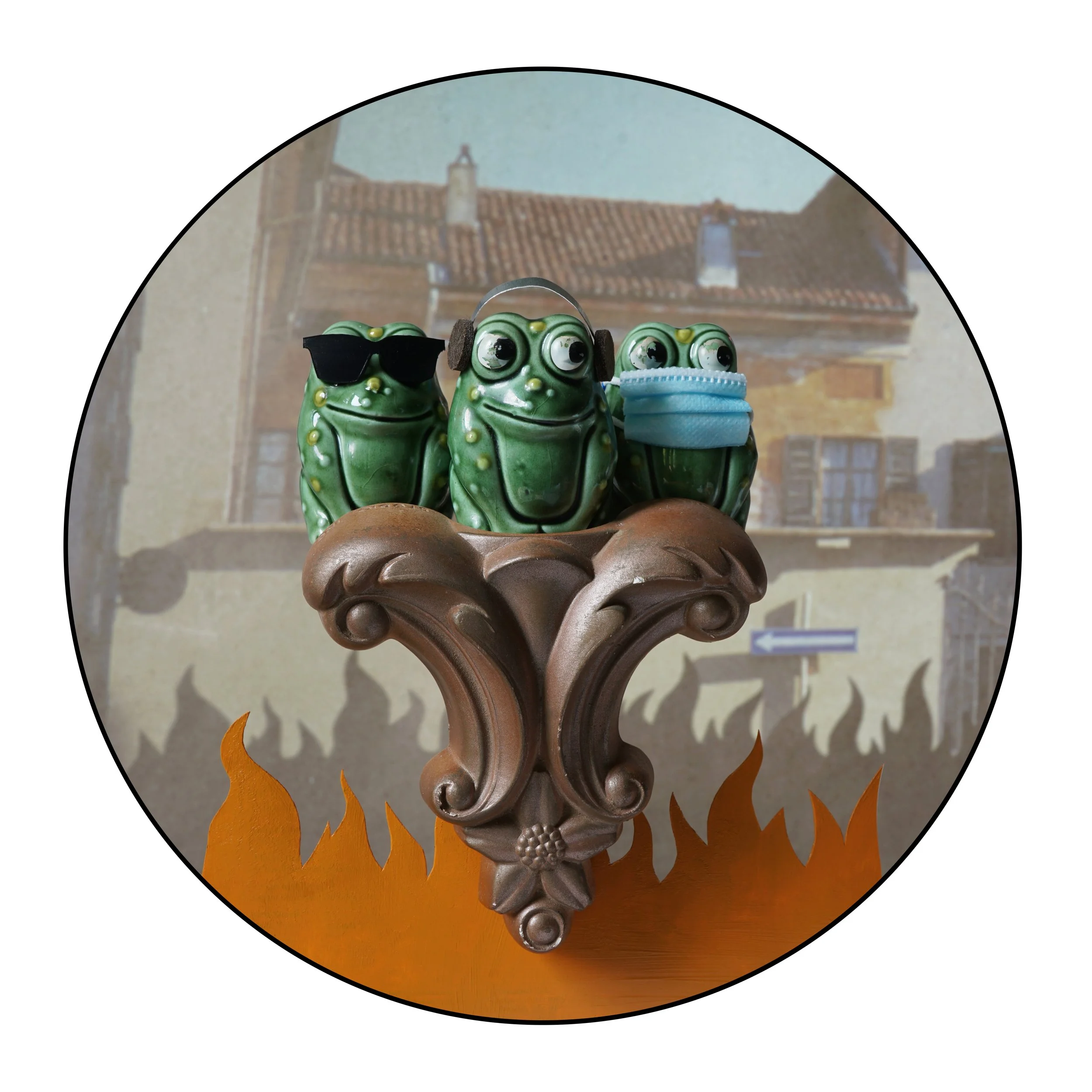
Actually, my hope is that viewers continue discovering new details long after bringing the artwork home, so that it serves as an enduring source of engagement.
Amy James
When you're uncertain, what guides your next move?
Well, as a film and darkroom photographer, you don't really know what you've captured in that exact moment you released the shutter for days or even weeks later. I've been doing this long enough to listen to my instinct or gut.
What never makes it into your artist statement?
Probably how passionate I feel about film photography. The darkroom experience and waiting to see if I "got" the image is still just as exciting to me as it was when I first began to use a 35mm camera as a high school yearbook photographer.
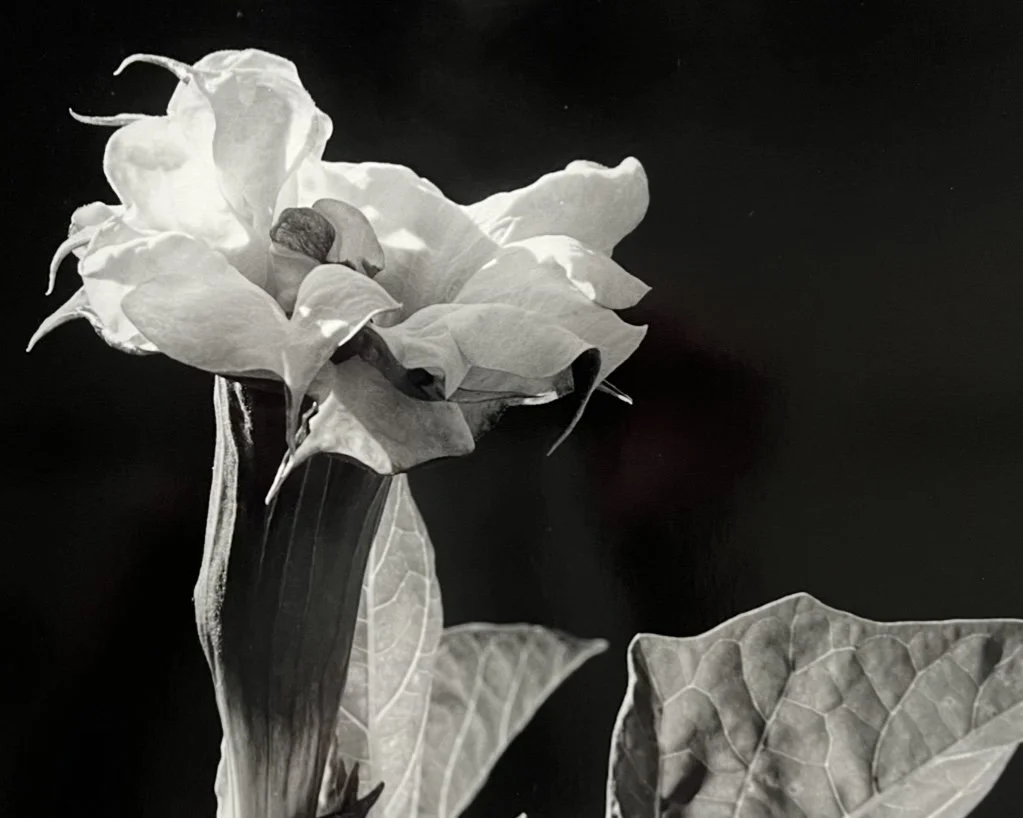
The waiting is its own kind of moment. The choice is made, the shutter clicks, and the result is still unknown. A decision can be trusted long before we see how it turned out. Often that trust lives in the conversation between our hands and our minds, working it out together.
Christopher Scott Brumfield
When you're uncertain, what guides your next move?
I'm usually unsure of where a piece is going. My hands and my brain collaborate to decide.
What never makes it into your artist statement?
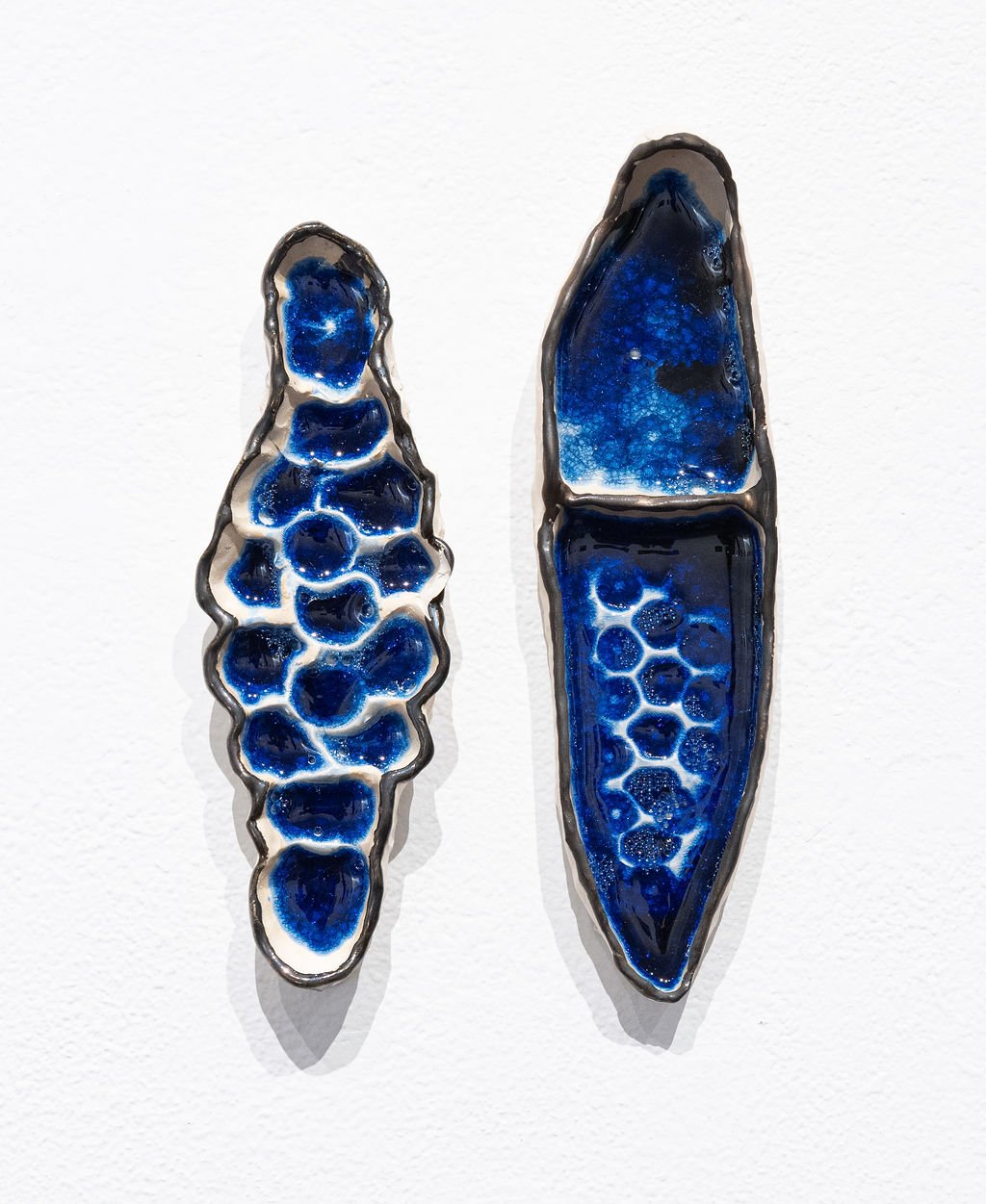
If you're familiar with my work, this might sound surprising, but I struggle with how much color to use. How much is going to be matte or shiny or bubbly?
What do you hope someone notices as they decide to bring it home?
How the little pieces within the piece are talking to each other.
Kelli Scott Kelley
What was happening right before you started this piece?
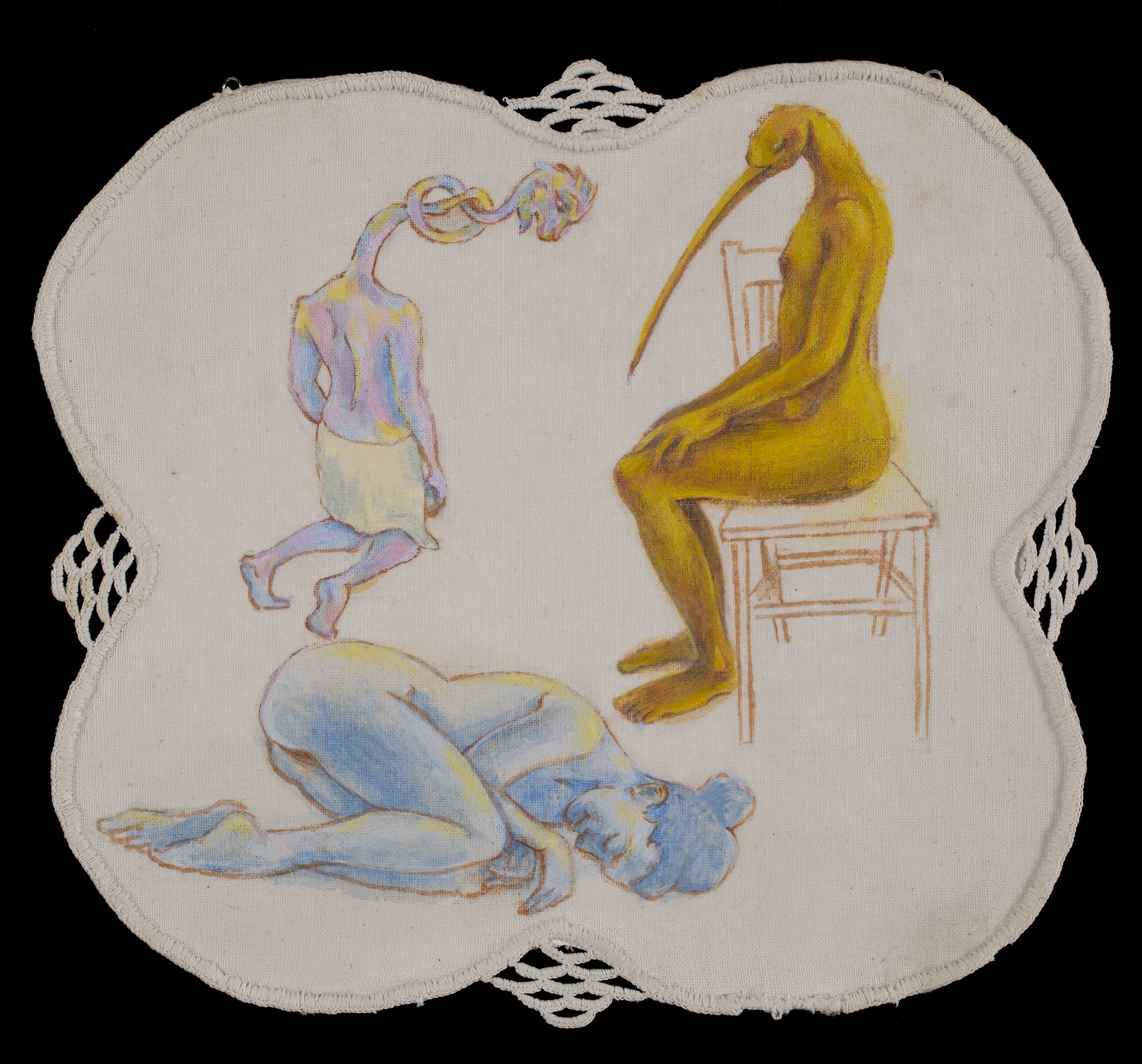
My work often begins with fragments of imagery, ideas from folklore and myth, or something I've observed that stays with me. For Sentries, the figures originated in a photo shoot with models. I reconfigured them, bringing them together in an imagined encounter. I make sketches as I work through the composition, then look through my collection of vintage linens to find one that seems particularly suited to the image. I'm drawn to images that suggest a story without revealing exactly what that story is. In Sentries, the peculiar gathering of figures creates a sense of mystery. Their relationships are ambiguous, and I like that.
What never makes it into your artist statement?
I spend a lot of time looking, contemplating, and allowing things to develop slowly. I make many decisions based on feeling rather than logic. Something might seem peculiar or even absurd, but if it resonates with me, I trust it. I'm not particularly interested in illustrating an idea. I'd rather create an image that has a life of its own.
What do you hope someone notices as they decide to bring it home?
I hope they're drawn in by the beauty and intimacy of the painted surface, and then begin to sense that something stranger is unfolding. The vintage linen carries its own history, a connection to the hands and lives of women who came before us. I love the tension between these delicate, domestic materials and the sometimes unsettling imagery. Most of all, I hope the work stirs their imagination and continues to reveal something new over time.
Scott Andresen
What never makes it into your artist statement?
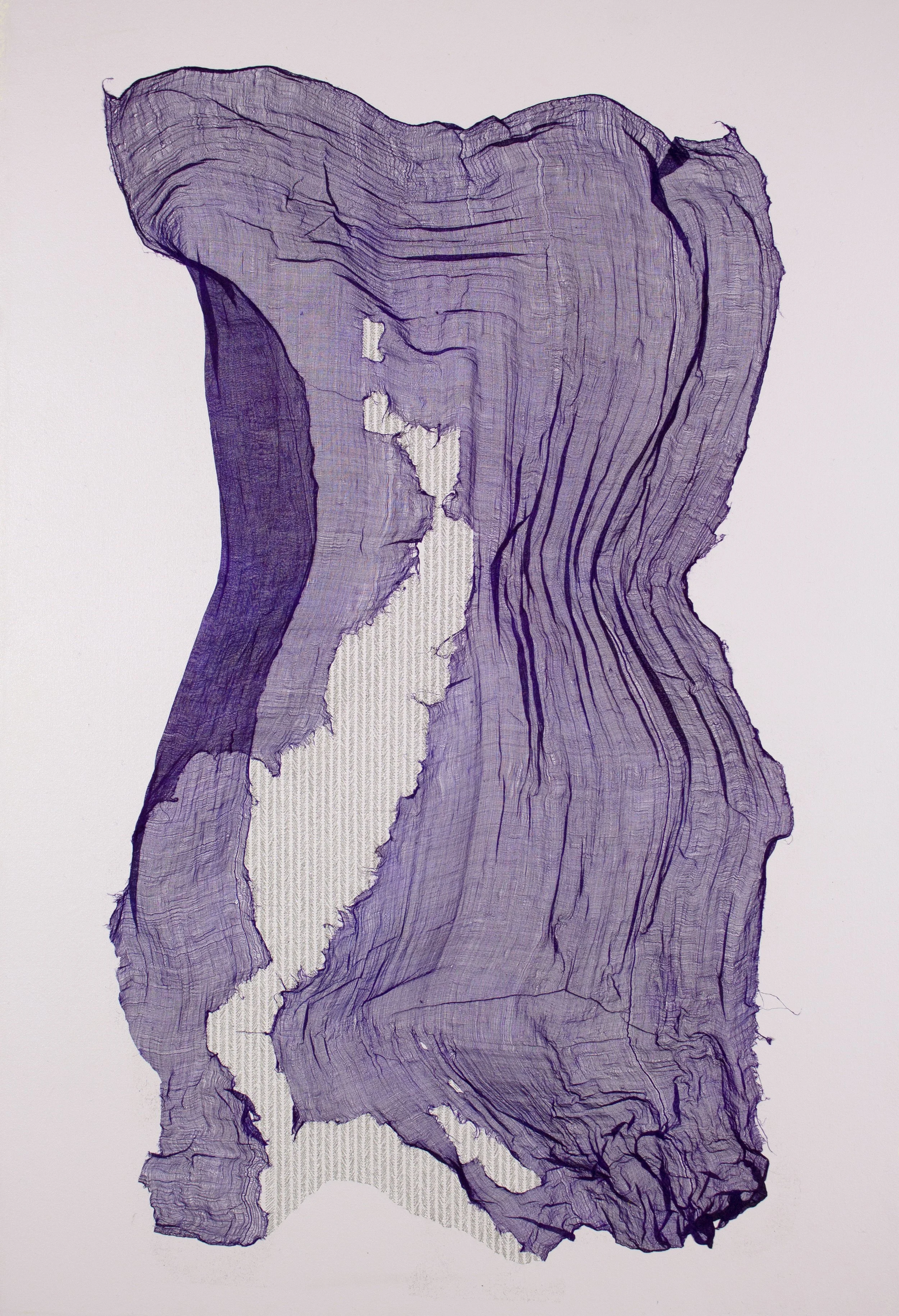
My work focuses on making that which is damaged whole again, the act of repair. In this piece, the hand-dyed silk has been torn, but the embroidery fills that space, not erasing the silk's history, rather highlighting it.
Paulo Dufour
What was happening right before you started this piece?
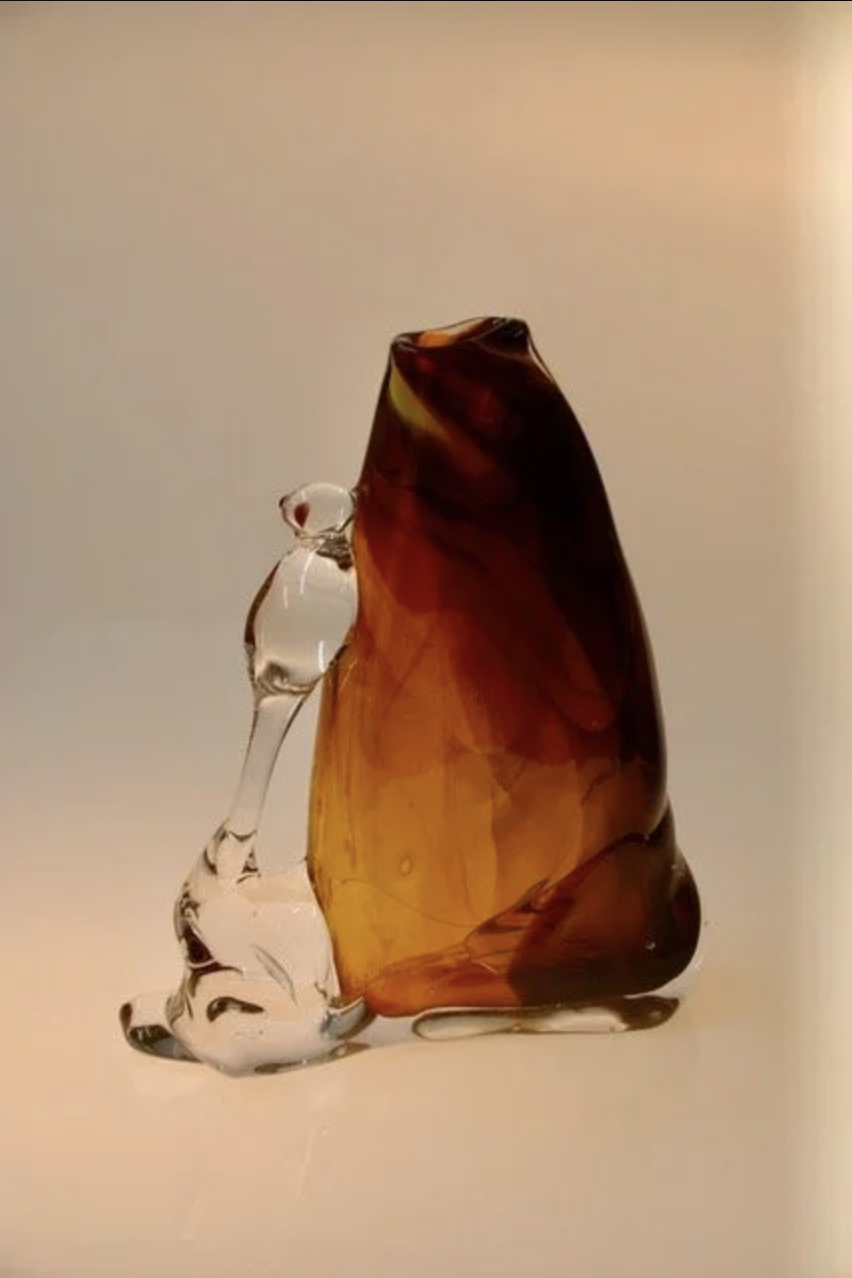
When I started this piece, there was a desperation to make something physical to represent the growing anguish that I felt after my brother's stroke. There is a figural sculpted glass corpus attached to a massive multicolored form that is swirling with striated amber hues.
What never makes it into your artist statement?
Purpose has many forms, but art is about love.
Jacqueline Dee Parker
When you're uncertain, what guides your next move?
Emotional memory is my North Star!
What do you hope someone notices as they decide to bring it home?
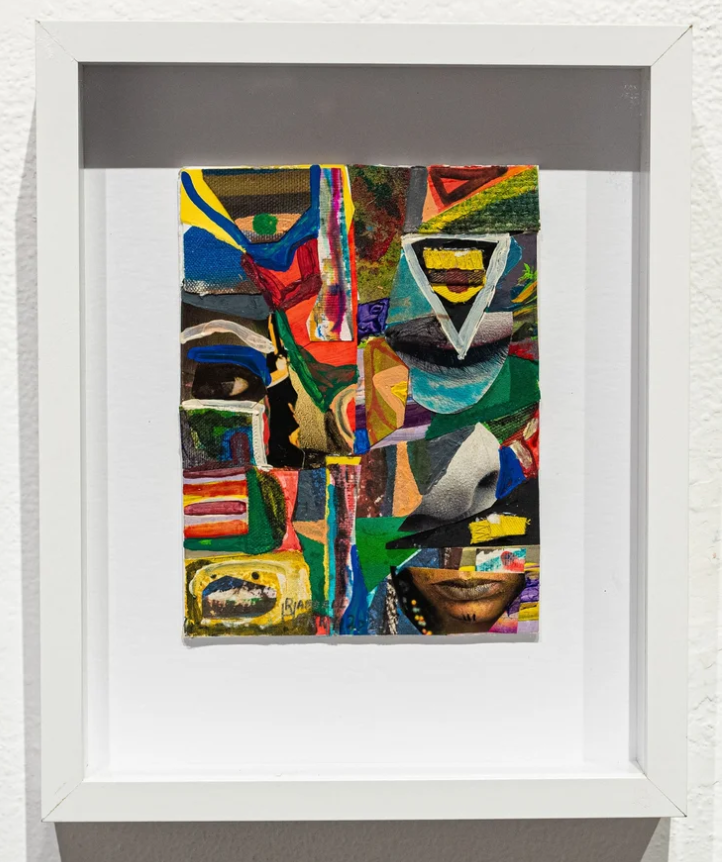
Air Guitar is inspired by that irresistible urge to grab an instrument and rock out. It has roots in "Stairway to Heaven's" ubiquitous riff that springs from the bedrooms of teen guitarists across the nation! (Some time ago, I had a couple of those in my midst.) But Led Zeppelin aside, this collage painting aims to suggest an emotional space where enthrallment and exquisite abandon join forces. I hope a sense of possibility, humor, and joy is palpable, because this is a space where a perfecto solo can soar!

Leslie Elliottsmith
What never makes it into your artist statement?
Like most artists, the reality of creating is the constant editing. What stays, what goes, what works, and what does not work. Decisions, decisions, decisions!
What do you hope someone notices as they decide to bring it home?
I do not like to tell people what they should see. We all bring our own backgrounds to the party when we look at art.
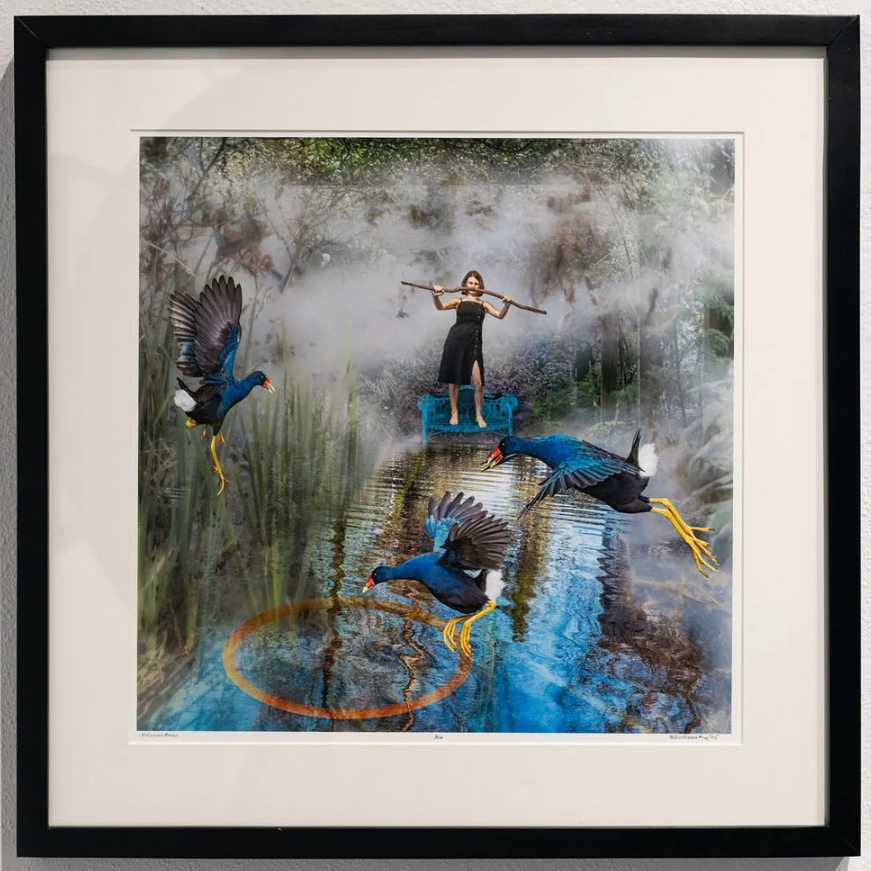
Mary Jane Parker
When you're uncertain, what guides your next move?
In most cases, my best strategy is to get away from the work for a little while. Then when I go back to the piece, I have a fresher perspective. In this new day of cell phones, I often take a picture of the piece. There is something about seeing a piece in that small format that helps me see the work more clearly.
What never makes it into your artist statement?
Because getting a degree in studio art often involves making a case for your ideas and working practice, the concept of intuition is often dismissed. But I think a lot of decisions about my work rely on my visual intuition. "Does it look right?"
"Does it look right?" is such an honest question. So many decisions rest on something like it, a question that's hard to defend out loud and rarely written down, and yet it's how so much art finds its way to finished. Sometimes the answer only comes after we step away and return with fresh eyes the next day.
Randell Henry
When you're uncertain, what guides your next move?
I put it aside and go back to it the next day. I am excited and renewed to approach it again. All kinds of things make me see the work come along in a different way. I see the work in a new way.
What do you hope someone notices as they decide to bring it home?
Do U C What I C
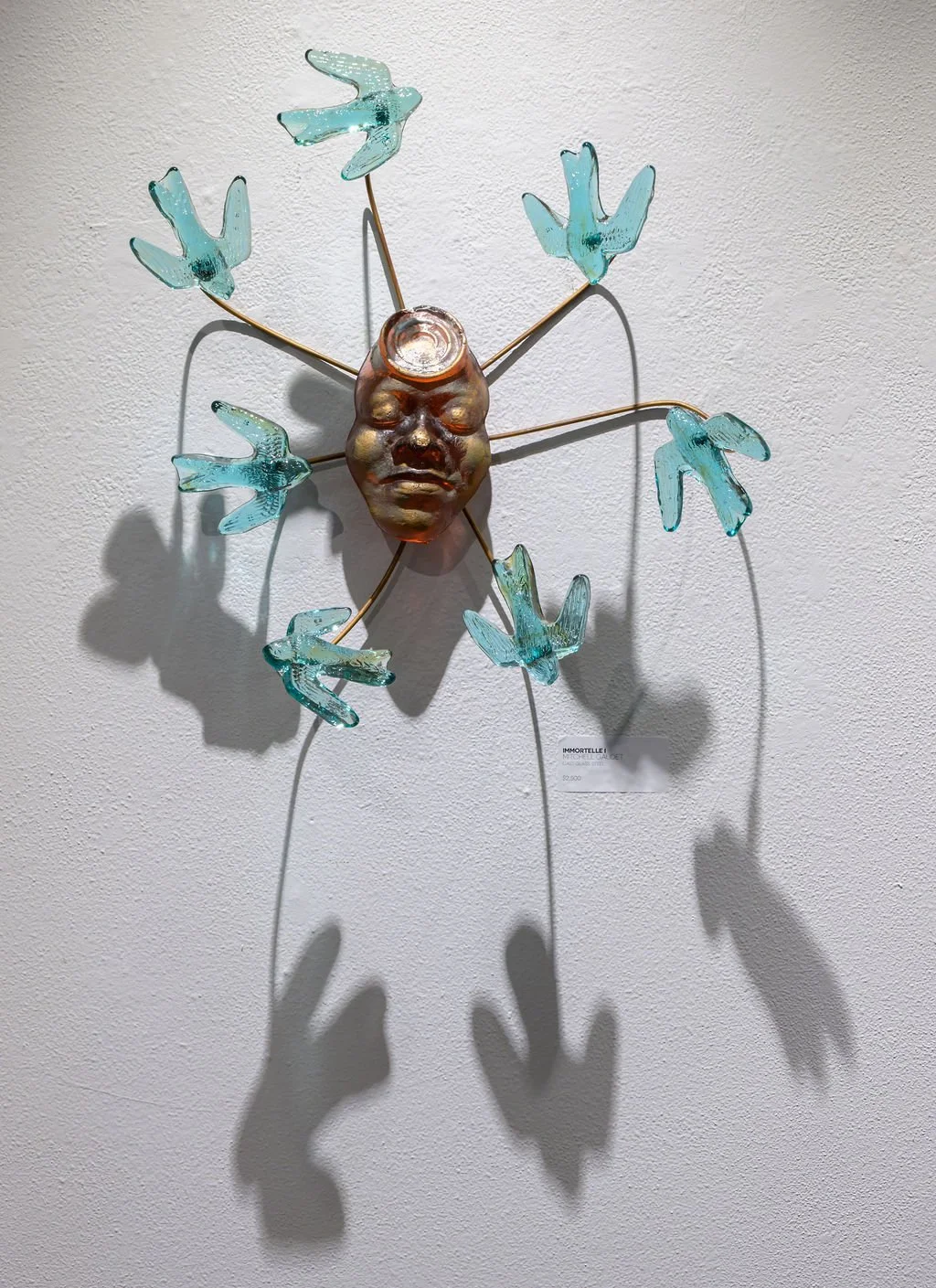
Mitchel Gaudet
What was happening right before you started this piece?
I was working on my exhibition for Baton Rouge Gallery and thinking about how Immortelles (early glass beaded and wire tomb decorations) influenced my work.
What never makes it into your artist statement?
Every decision I make has nothing to do with a thought of selling the work.
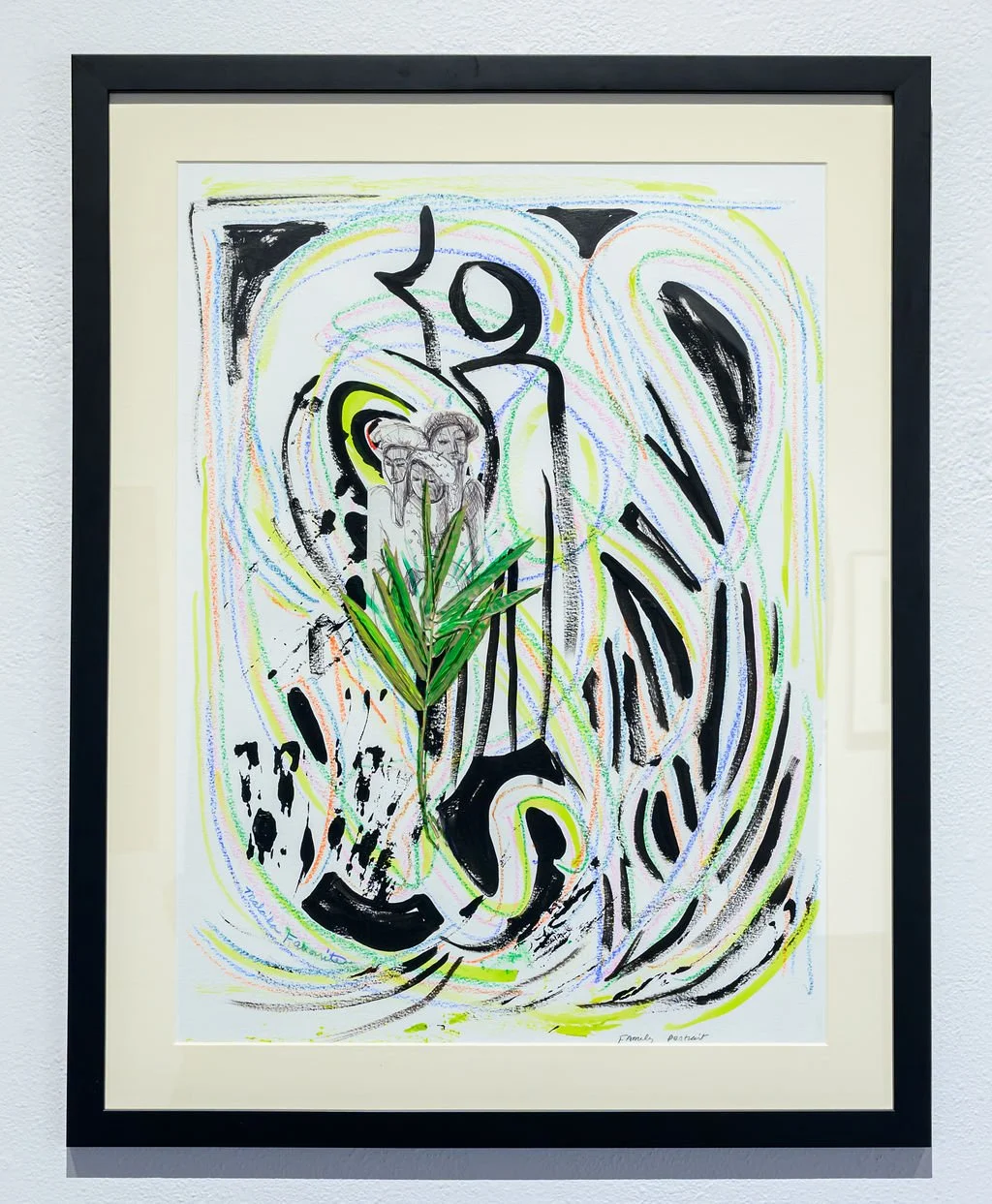
Malaika Favorite
What never makes it into your artist statement?
Making art is an adventure. Each piece is a journey, and I am the first one traveling on that journey into uncharted territory. Later, the viewer joins me, but I was there first.
What do you hope someone notices as they decide to bring it home?
I hope they realize that art is a place to go, and if you own the piece, you get to travel inside that country every time you happen to look at it in your home. When I need a smile, I am so happy to have a painting waiting to greet me in every room I enter.
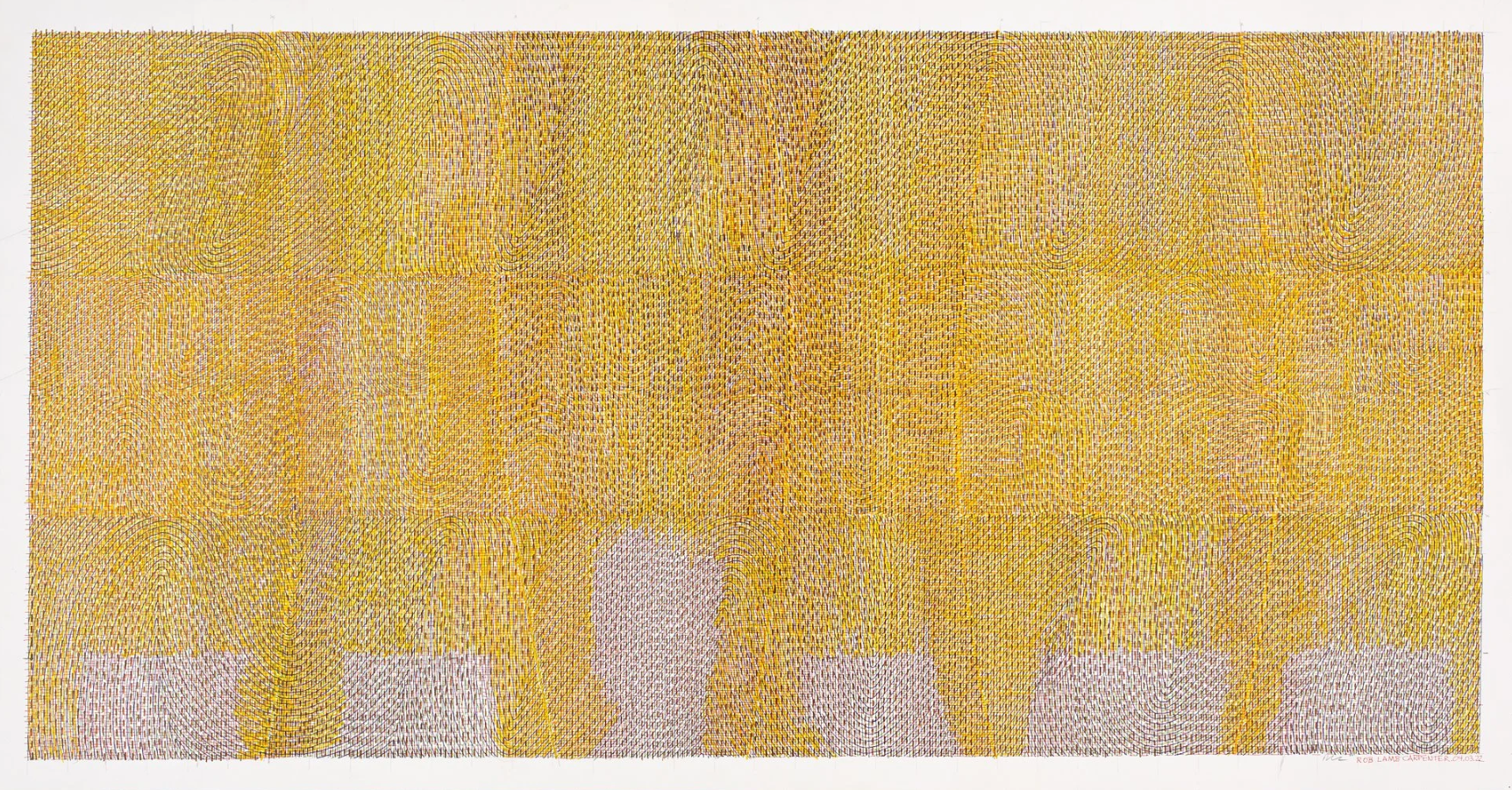
Rob Carpenter
What was happening right before you started this piece?
Lord. This piece is a reminder of something I will never do again: accept a commission. I have a gallery in Dallas. I got a call from the owner. She had a client who was an architect in New Jersey. She had recently designed and built a new bedroom addition for her house. She was familiar with my work and wanted me to do a drawing in which I had complete freedom in terms of composition… yeah, right. The drawing would be installed over the headboard area. She wanted me to format the piece in a long, narrow, bed width. I usually use square formats, but several years earlier I did a series of long rectangular drawings, so that wasn't a problem. They just weren't as big as this. The other thing she wanted was for the painting to have a predominantly blue color scheme with very little yellow. That is when I should have done my best Michael Jackson "Moonwalk"/"Backslide" and taken a pass on the project. Since I work in layers, I don't set out to do a drawing in a certain color scheme. I let that happen as layers begin to interact with one another, and whatever final color predominates has happened more or less organically. I let the layering process dictate my next move.
I did multiple small color schematics and finally came up with some colors that she liked. I did a scale-sized study that I could pretty much replicate on the final drawing. Rejected. I did a second one. Rejected. Time was marching on. At that point, I just said, "F-bomb it," and started on the big one. By this time, the project had gone on way beyond what I was going to get paid. As far as my time goes, I was losing money. She took what was going to be my final offering. The drawing in this KINETICS show is one of the two preliminary studies. I reworked it and put as much yellow in it as I possibly could. I did also sell the other study, so it all worked out. We'll see how much bacon "Ole Yeller" brings home KINETICS night.
Tom Richard
What was happening right before you started this piece?
I was painting bubble gum on black-and-white images from art history textbooks. Once this image was chosen, I had to decide to paint bubble gum on Hermes' (broken) penis, on the infant Dionysus, or on the supportive drapery. I chose the drapery.
When you're uncertain, what guides your next move?
Whimsy.
What never makes it into your artist statement?
Should I paint with my pants on or off…
What do you hope someone notices as they decide to bring it home?
I hope they laugh.

Reading these answers felt like being in a room full of people who already know this moment well. They call it making art.
Every piece in this show carries a moment like the ones shared here. When you stand in front of one on November 13 and feel your hand want to go up, notice that moment too. Something in you is choosing.
See you at KINETICS.
KINETICS: Friday, November 13, 2026,
at Baton Rouge Gallery in City-Brooks Park
Tickets: https://www.batonrougegallery.org/kinetics/
If there’s a creative project or a big decision you keep circling back to, the one you can’t stop daydreaming about, let’s talk about what’s happening in this moment and where you want to go from there.
I partner 1:1 with creatives, founders, and community organizers in my ClarityLAB sessions, where we look at what’s really steering your choices and turn your vision into actions that stay true to you.
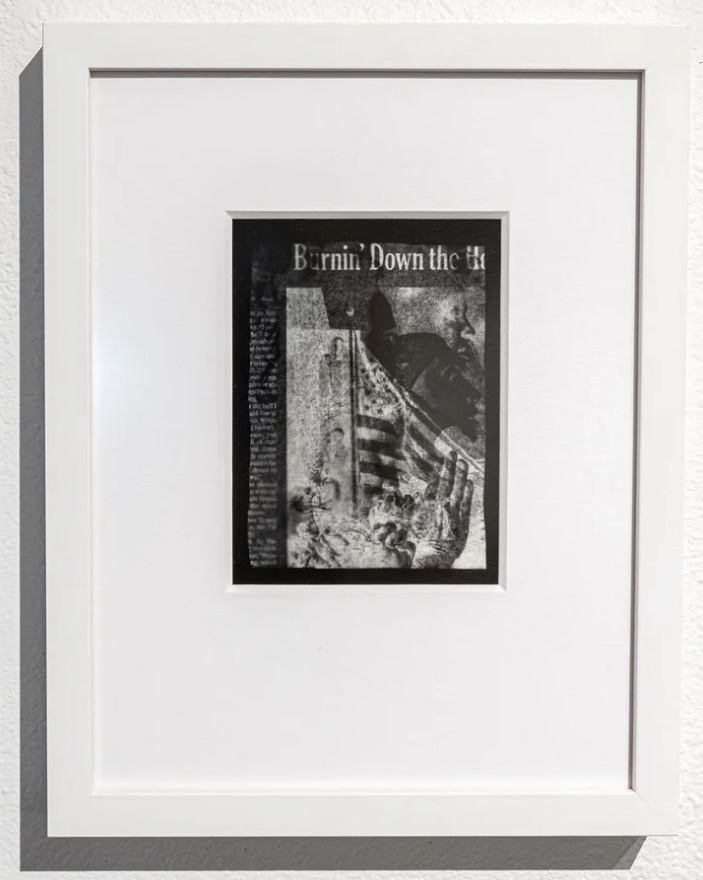
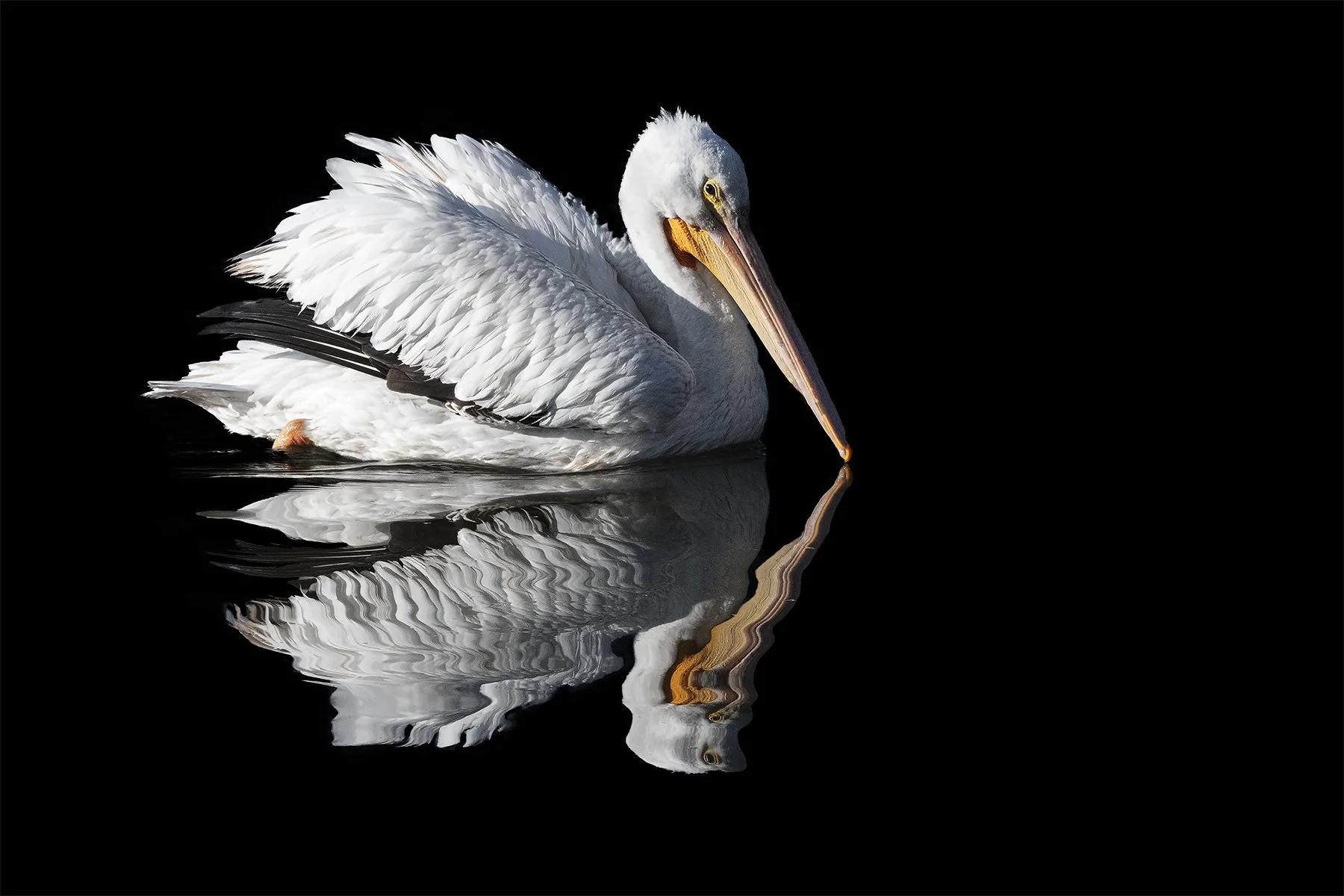
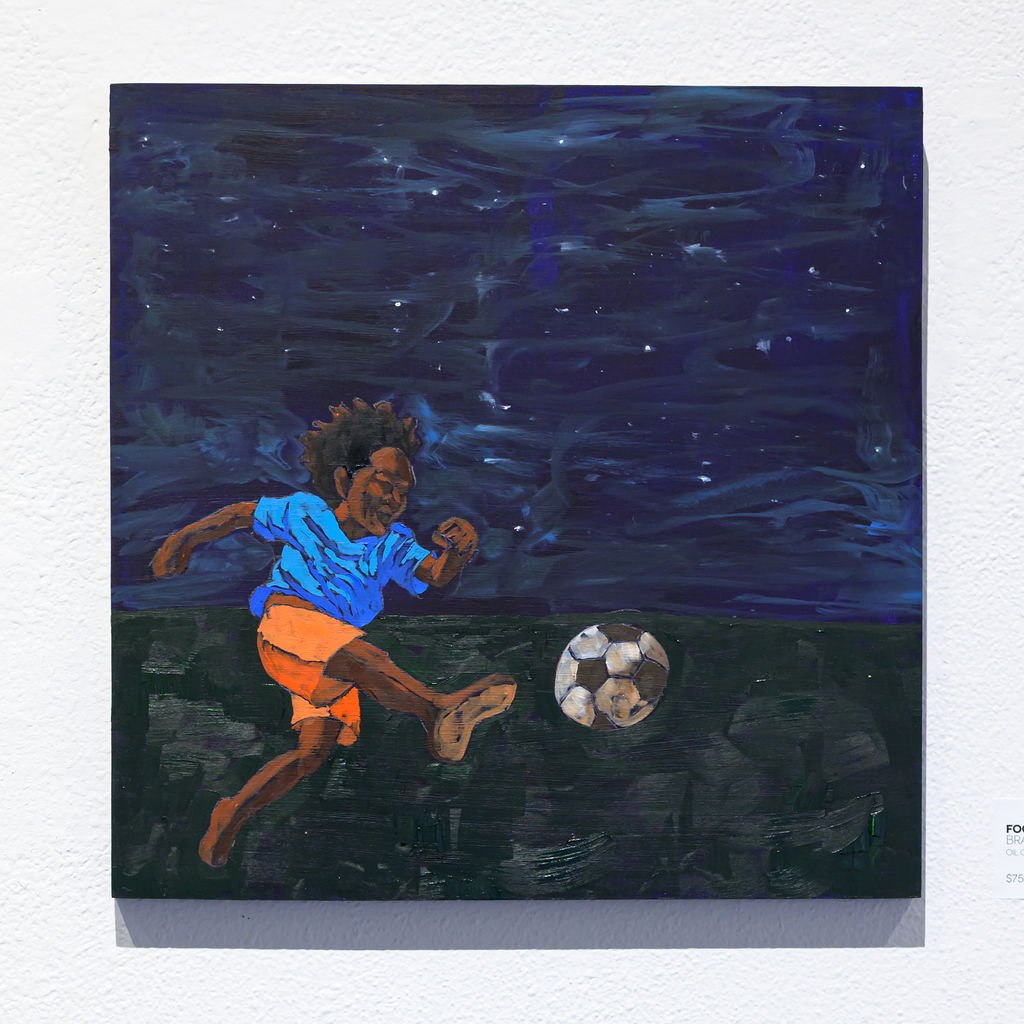
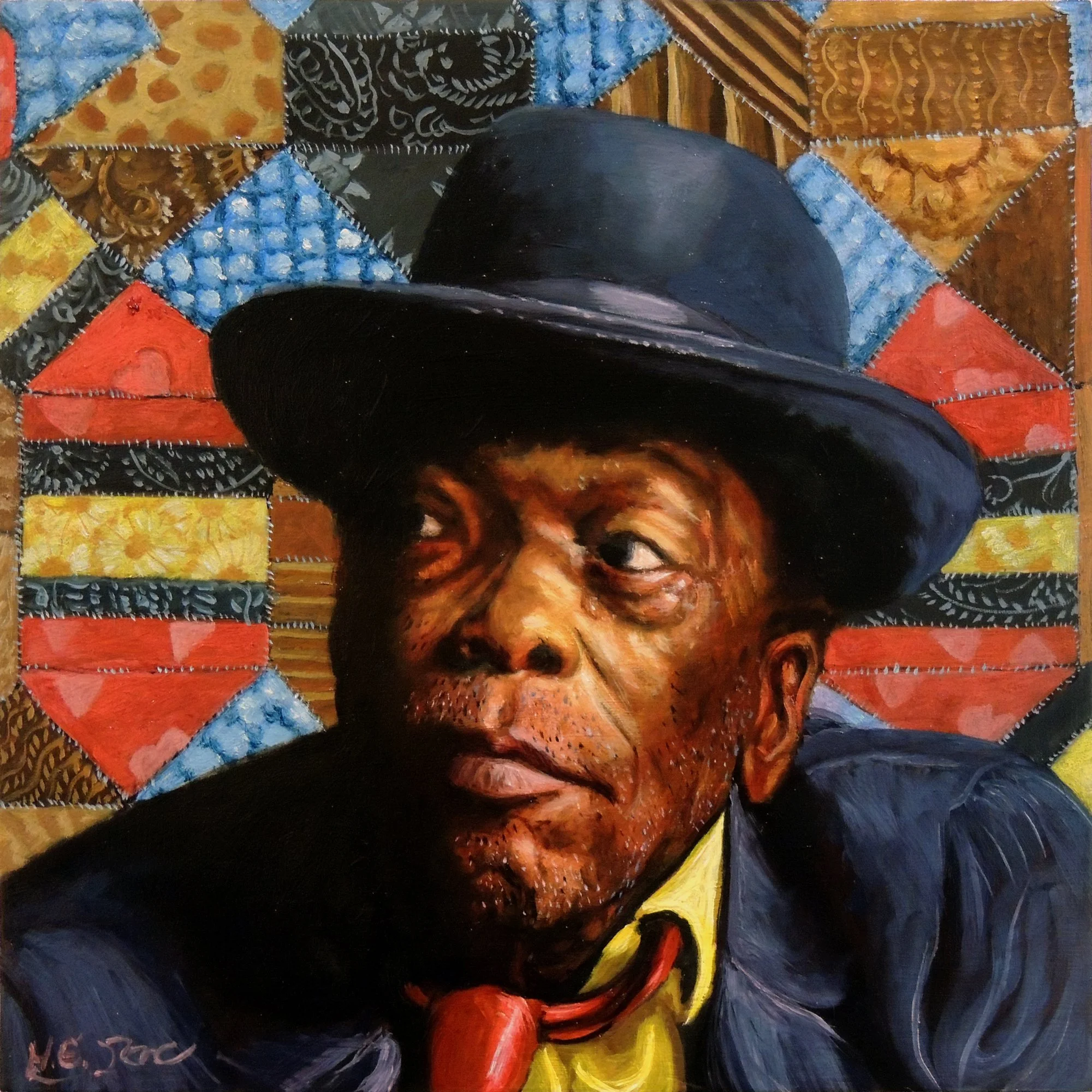
Here are the other pieces you will find in KINETICS. See them in person NOW at the Baton Rouge Gallery.