

Behind the Decision: Casey O'Banion on Leading Young ENTREPRENEURS Academy of Baton rouge
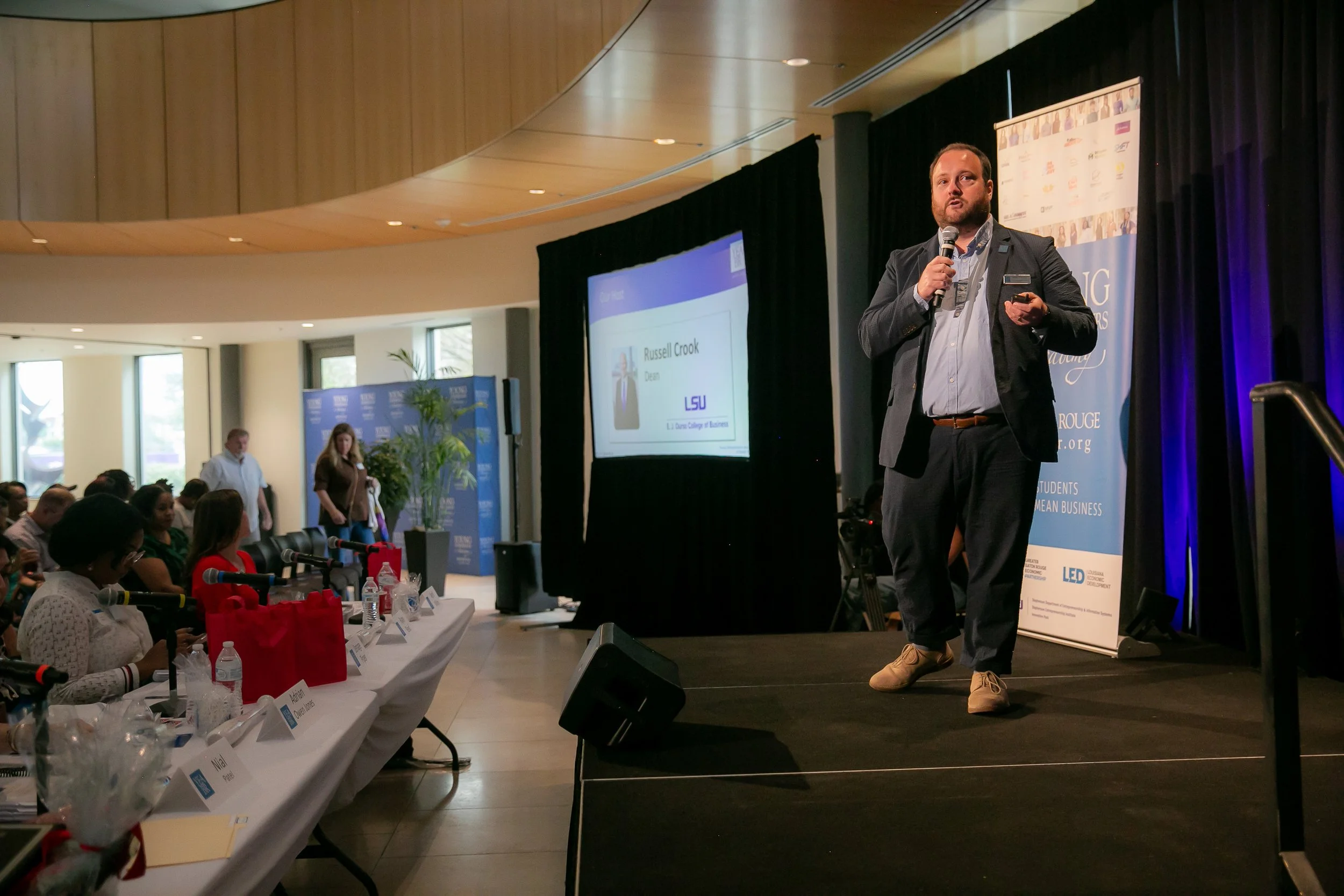
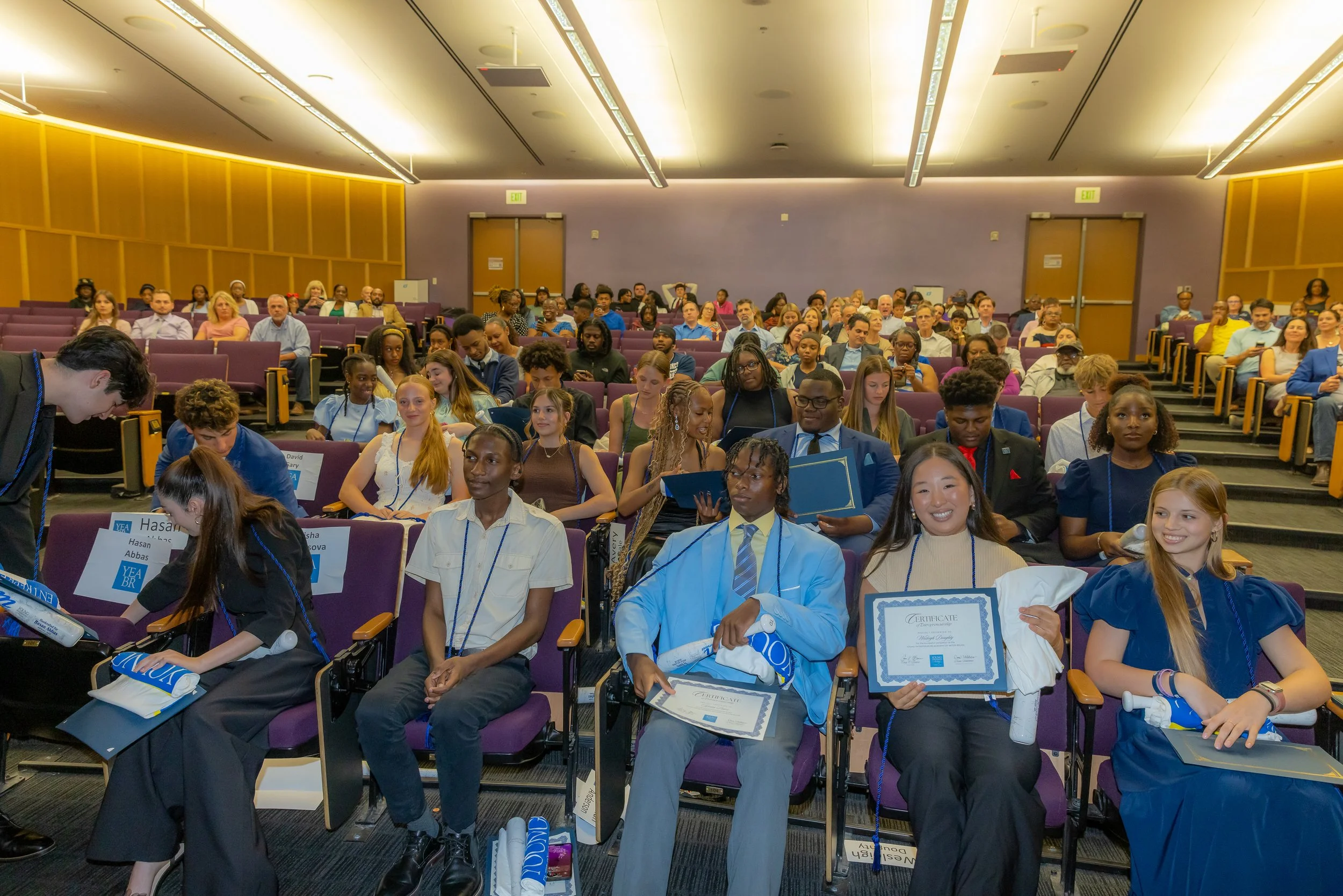
Walk into a Young Entrepreneurs Academy class session, nestled inside the E. J. Ourso College of Business classrooms, on any given week, and you can feel it before anyone even speaks. Teenagers huddled over business plans they wrote themselves. A whiteboard full of ideas that started as a spark in their hearts, made their way into a notebook, and turned into a real, registered business with the state of Louisiana. Nerves fill the room while students rehearse a pitch they will give to a room full of strangers, a panel of experienced business people holding actual seed funding to award that night.
It is electric, every single room, every event, every cohort with an idea worth developing.
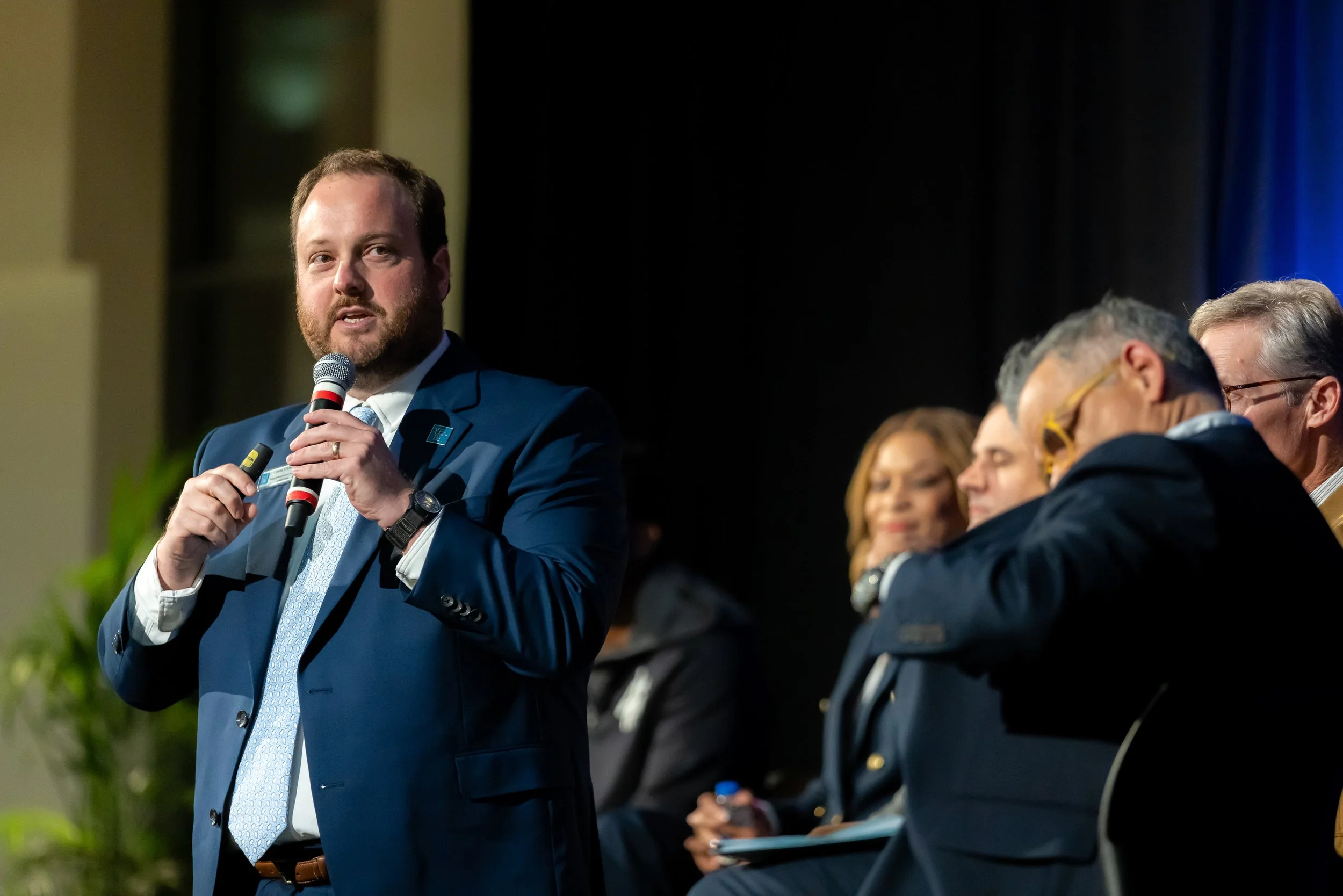
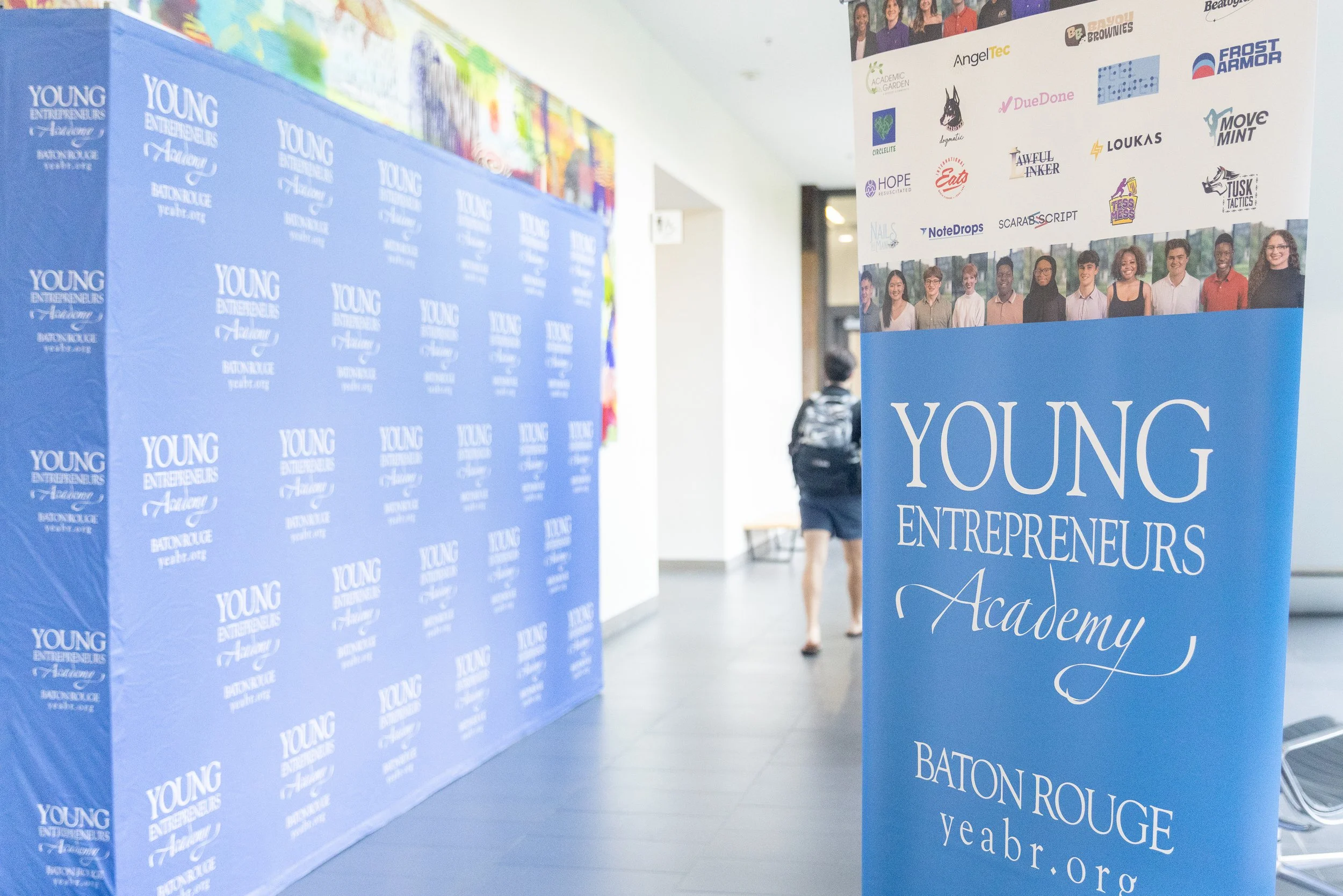
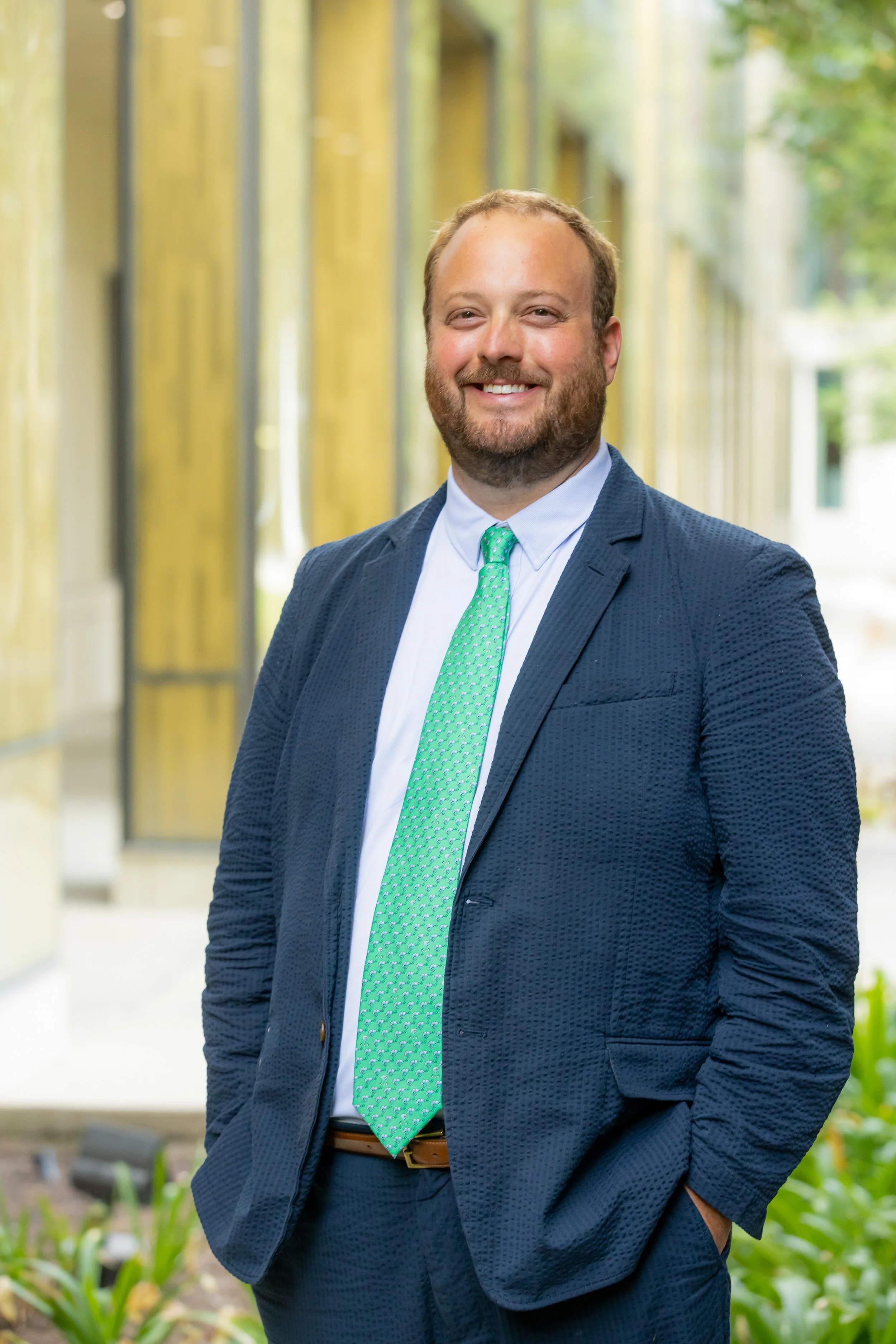
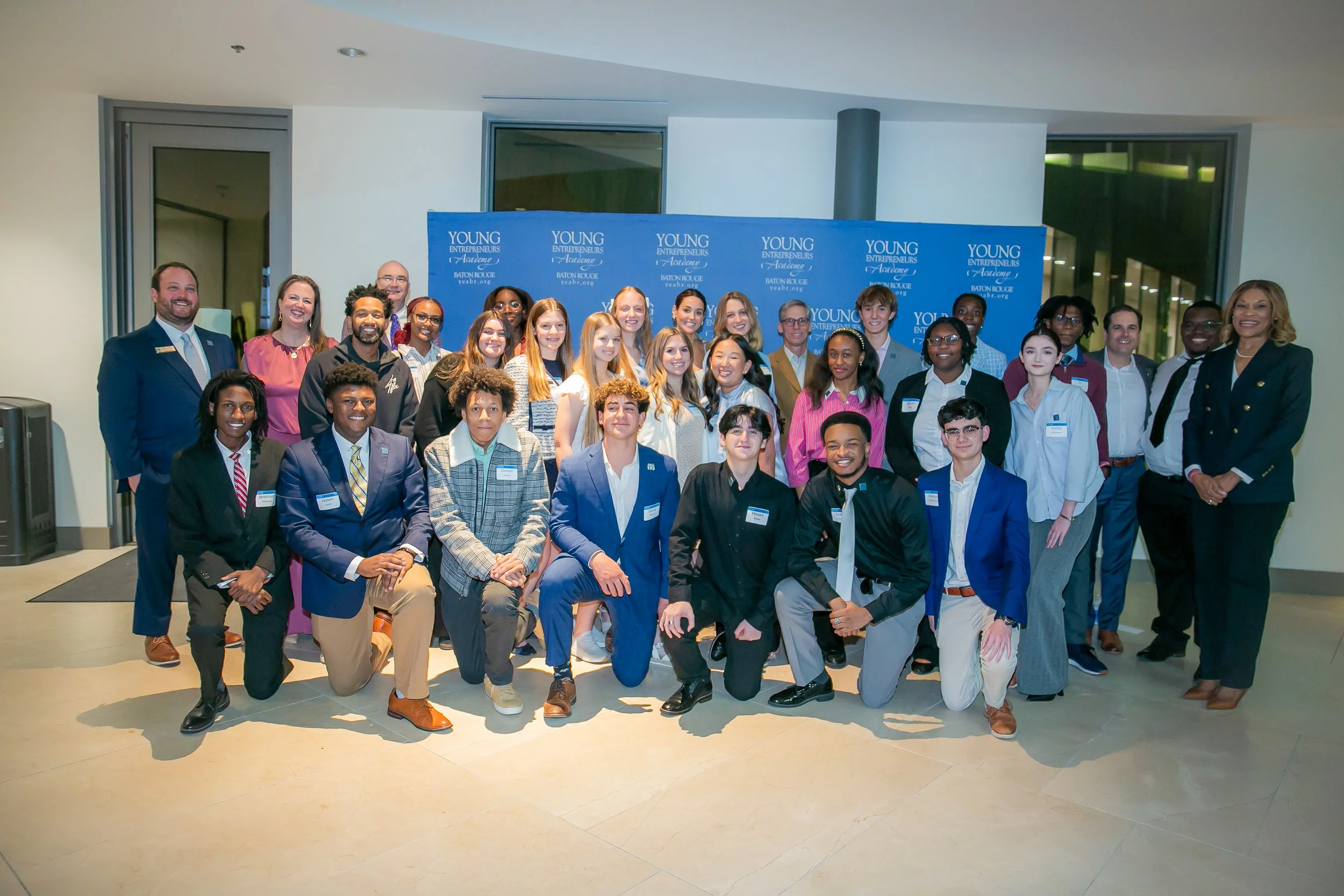
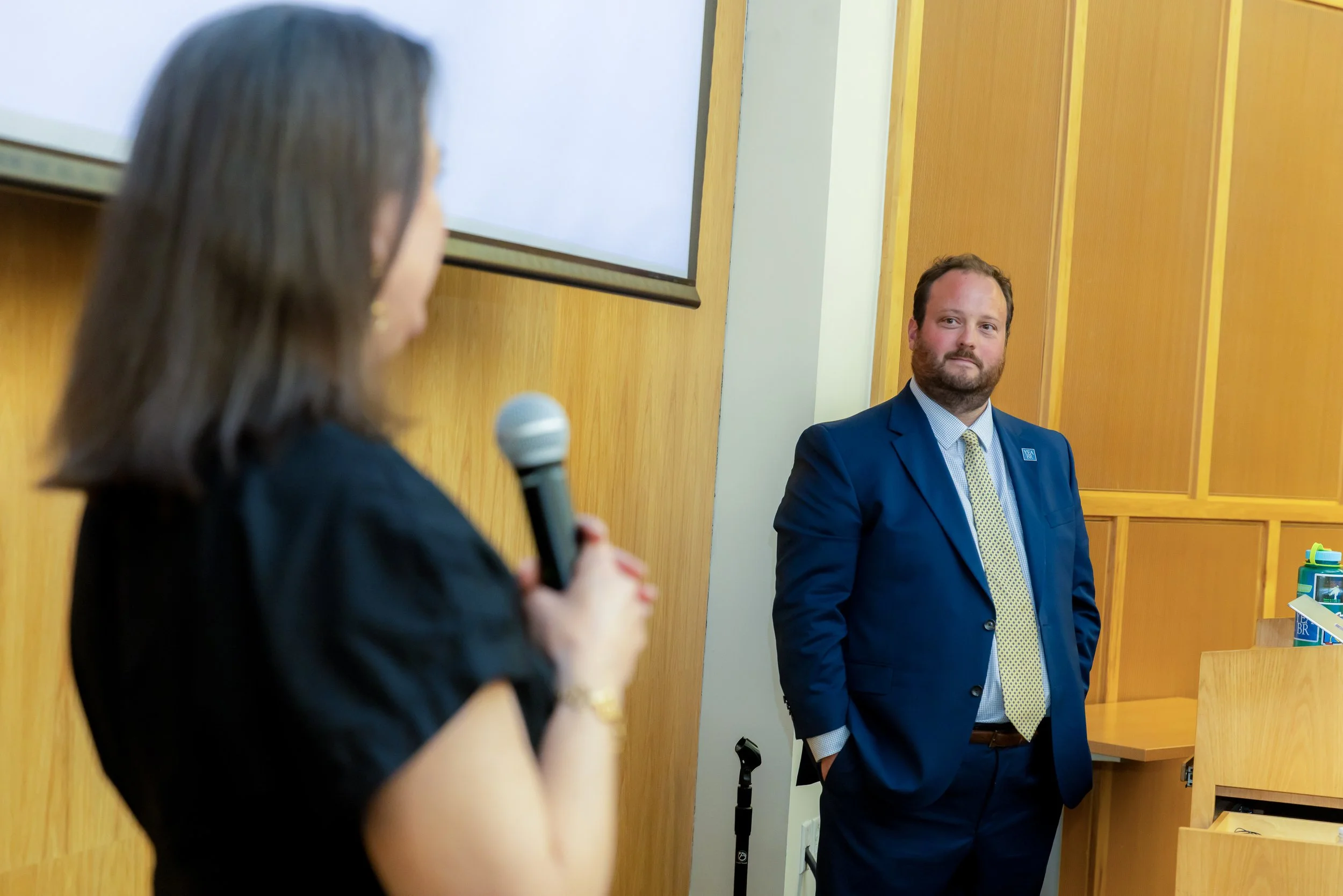
So when I started this Q&A series asking people about the decisions behind their work, Casey O'Banion, President of YEA BR, was at the top of my list. Casey stepped into this role in 2025 and spent his first year asking a lot of questions, listening closely, and quietly reshaping pieces of the program with real intention. I wanted to know what was behind those decisions, not the highlight reel, the actual why.
Below, Casey opens up about what he changed fast, what he pulled back on, what he is still figuring out, and what has surprised him most about leading a nationally recognized program with a law degree and an MFA in his back pocket.
And if you are reading this and know a high schooler in the Greater Baton Rouge area, or you are raising one, who is curious, driven, or just needs a place to discover what they are capable of, Young Entrepreneurs Academy is accepting applications now through Sunday, August 16th. Go to yeabr.org to learn more and apply.
I promise you, this program changes people. It has changed me, and I have watched it transform kids, teaching them to think differently while also bringing their own intelligence to the table, for three years now.
When you're weighing a big decision for YEA, what do you lean on first? Data, gut, a specific person, past experience?
I always ask how this will impact the student experience. The answer involves balancing what they need to get out of the program with their interest and excitement in it.
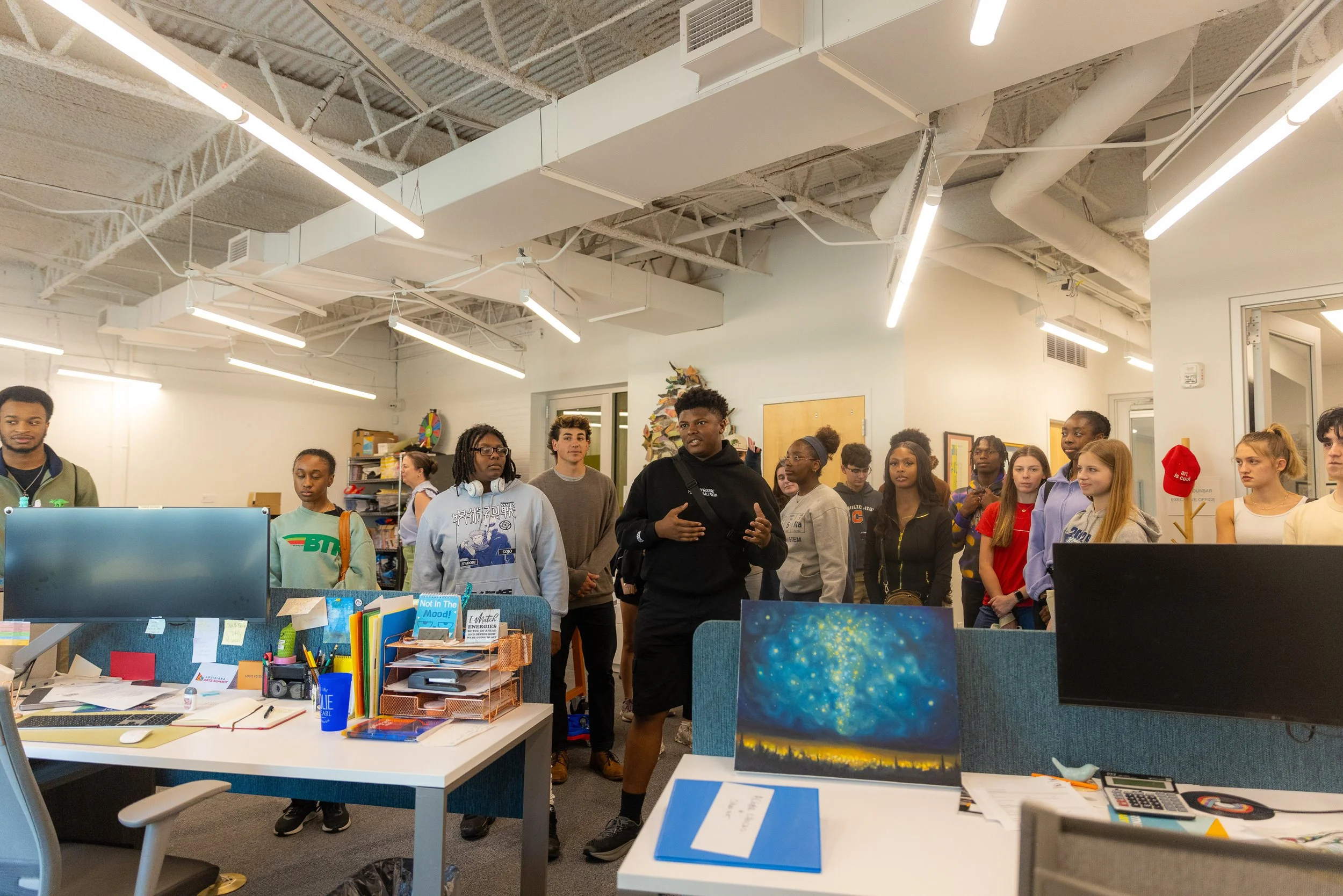
Going on a field trip might take away from valuable time in the classroom, time they could spend hearing a story from that week's guest speaker that really clicks with them. But the students love the field trips. They get to see what Marucci has built in Baton Rouge, how to run a McDonald's franchise with MacLaff, or ask the entrepreneurs at NEXUS how they got their start. They also get to ride on a bus, which they still seem to enjoy.
So all of our decisions, big or small, start with how it will impact our cohort's time with us and their knowledge and passion for entrepreneurship.
You've got a law degree and an MFA, that's an unusual combo. How does that show up in how you make decisions here?
Most people assume I took some business law classes when I got my JD. I didn't. But I have been surprised at how often my MFA has come into play.
We work on elevator pitches in YEA, and if you had asked me in September, I would have told you I'd never given an elevator pitch in my life. But come January, when we're working on their pitches, I realized I've given a million of these. I learned how to do it during my MFA program, it was just a novel I was pitching instead of a business. Here's what it's about, here's who I am, here's why you should publish it.
During the marketing segment, I told the students not to ask me which logo they should pick, I've never done this. Then I thought, well, I've picked out two book covers from different artists before. What did I use to decide? How the covers looked or stood out from others, how they might make the reader feel, and what I felt each cover said about me.
We also leaned a lot on storytelling techniques during the pitch phase. Are we appealing to the audience's emotions here?
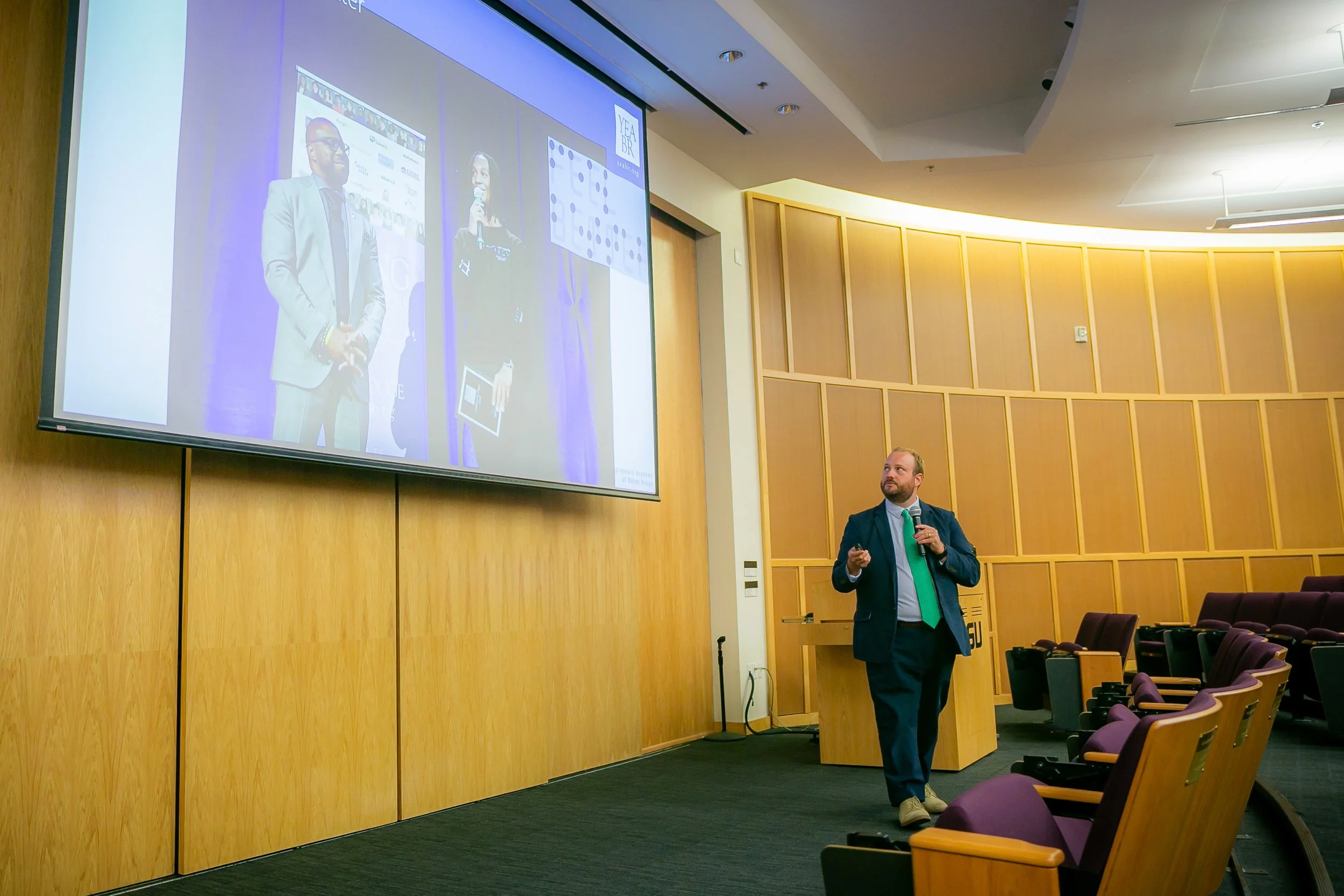
What's something you changed fast, without a lot of deliberation, because it just felt necessary?
I asked "why" a lot my first year leading the program. I'll probably continue to ask why, not because I'm naturally curious, but because in a lot of cases, I genuinely don't know. As someone without a traditional business background, I assumed all of my whys were silly or had obvious answers attached to them.
My first week, I thought, wow, we have a lot of time devoted to students crafting a business plan. I won't ask why, I figured you probably need the two months we've carved out for it.
Instead, I decided to go on the journey with that first cohort and get a feel for the class from their perspective (slightly different, since I didn't have to actually pitch a business or ask my parents before applying).
I made a note every time we hit a spot where I was confused, felt unprepared for the concept, or was just bored.
So I might not have changed much quickly, but a lot is evolving with the course. The business plan, for instance, is going from six to eight classes, almost two months, down to two or three.
Going into year two, you changed how mentors interact with students. Walk me through that decision. What did you notice that told you it needed to shift?
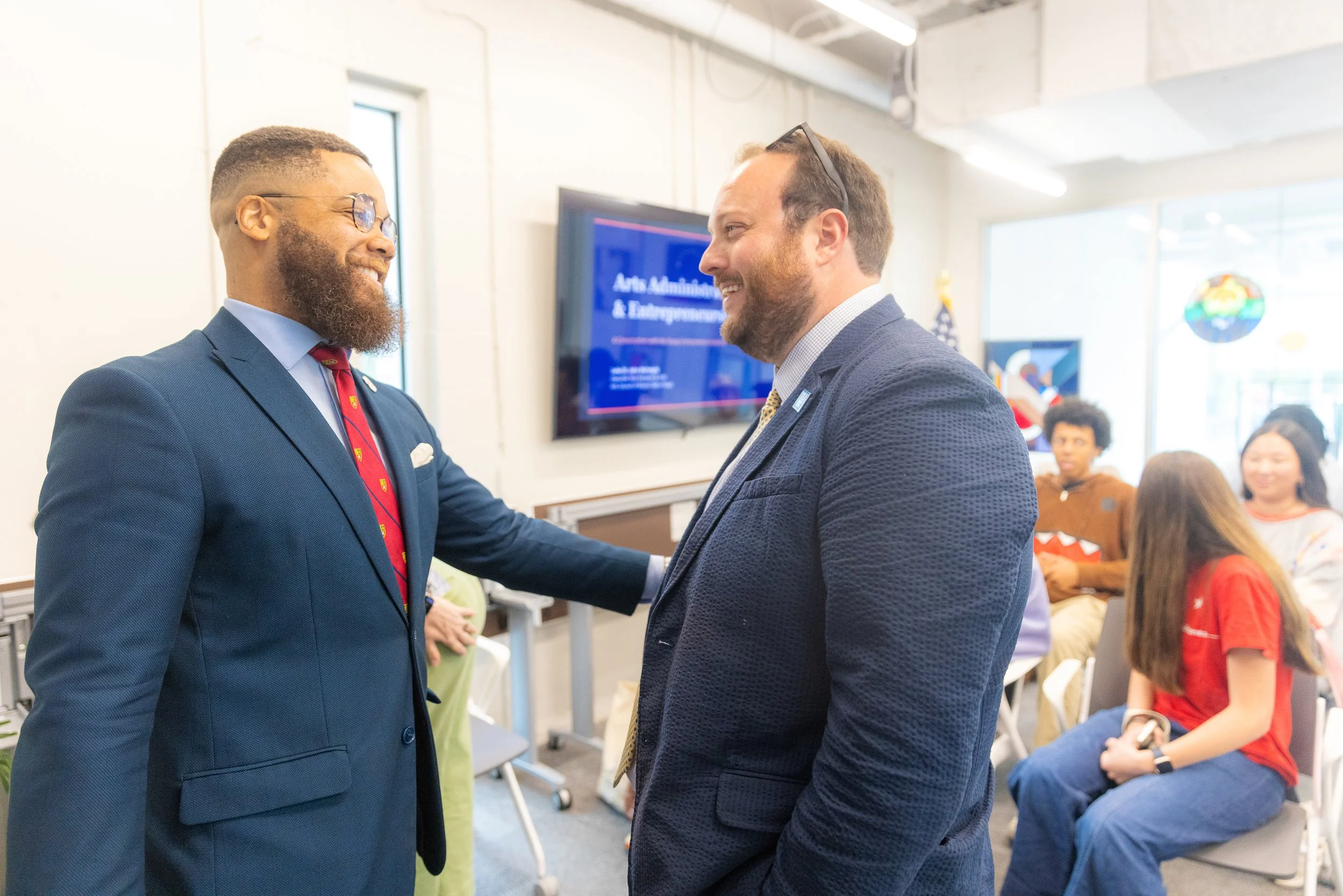
I listened to feedback from mentors and students throughout the year and over the summer. The mentor program within YEA is incredibly impactful for our students, but I wanted to find ways to make it even more purposeful.
Our mentors give up multiple nights a year, away from family, friends, and other commitments, to be with our students. So I talked to them specifically about what would make it more meaningful to be a YEA mentor. The answer that stuck with me was having more involvement in the entrepreneurial journey the students are undertaking.
Instead of four meetings all centered around the business plan, what about three meetings: one early in the year when students are still testing out ideas, one in the middle when they have their concept down but need help with the nuts and bolts of making it work, and another near the end to fine tune their seed funding pitch.
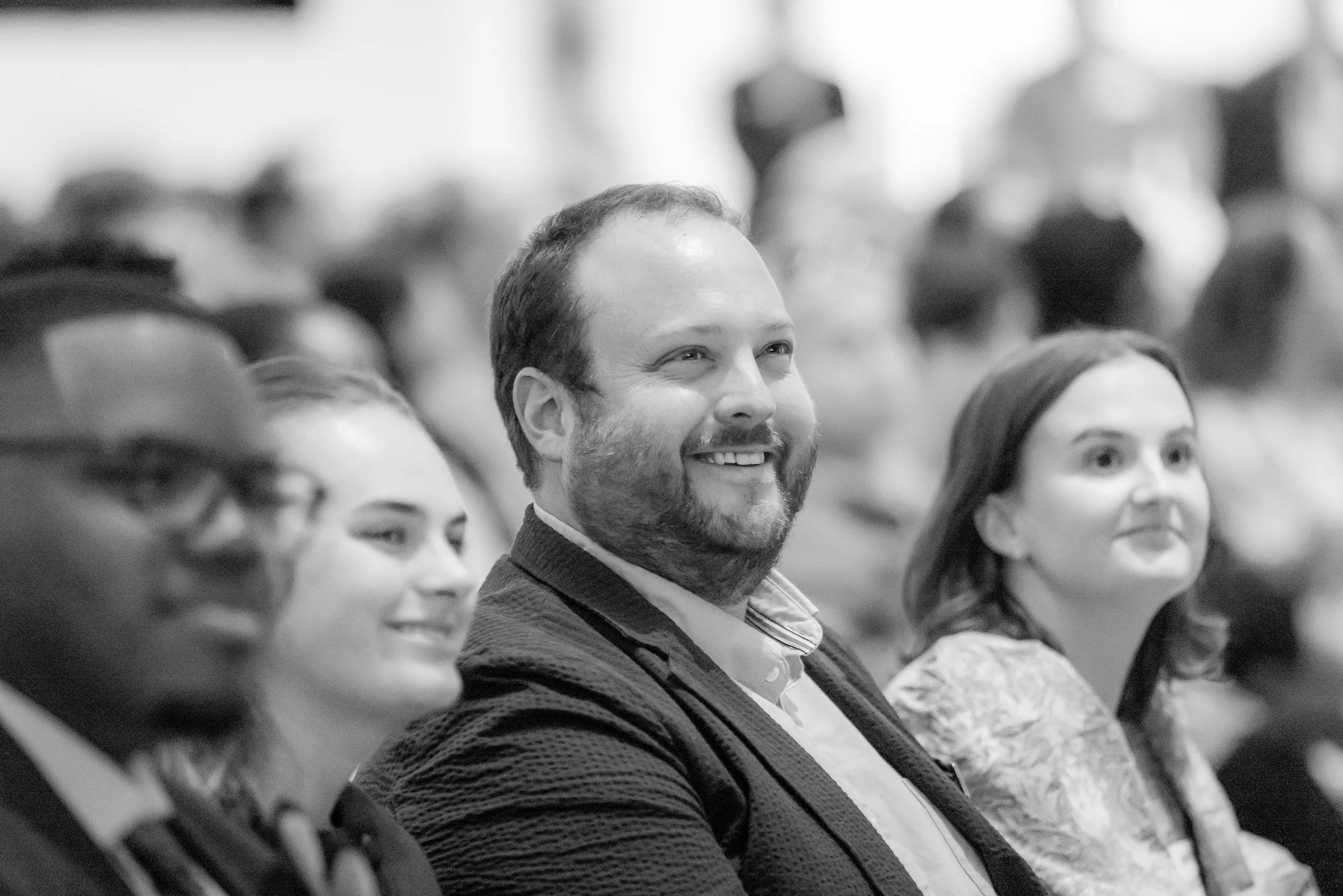
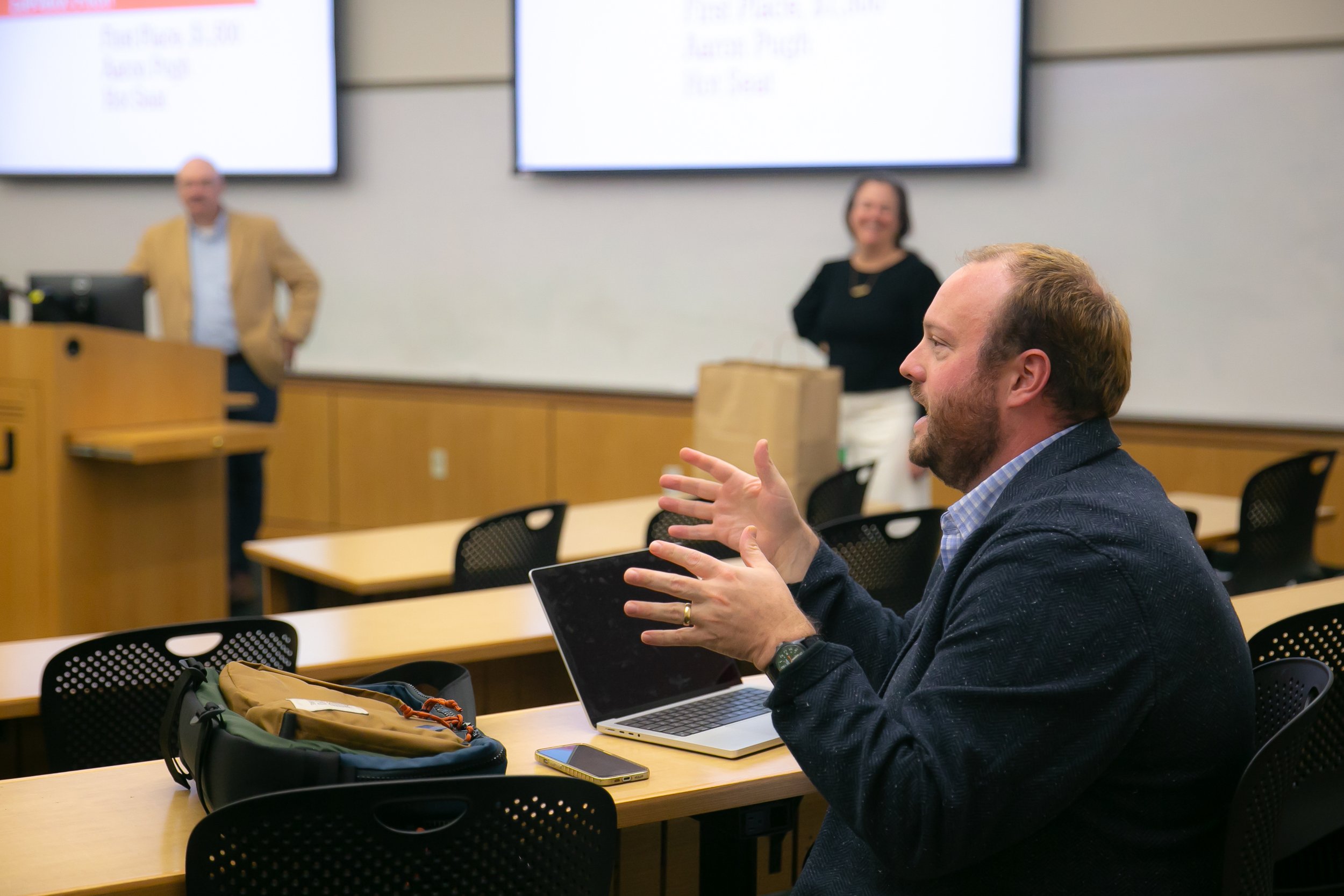
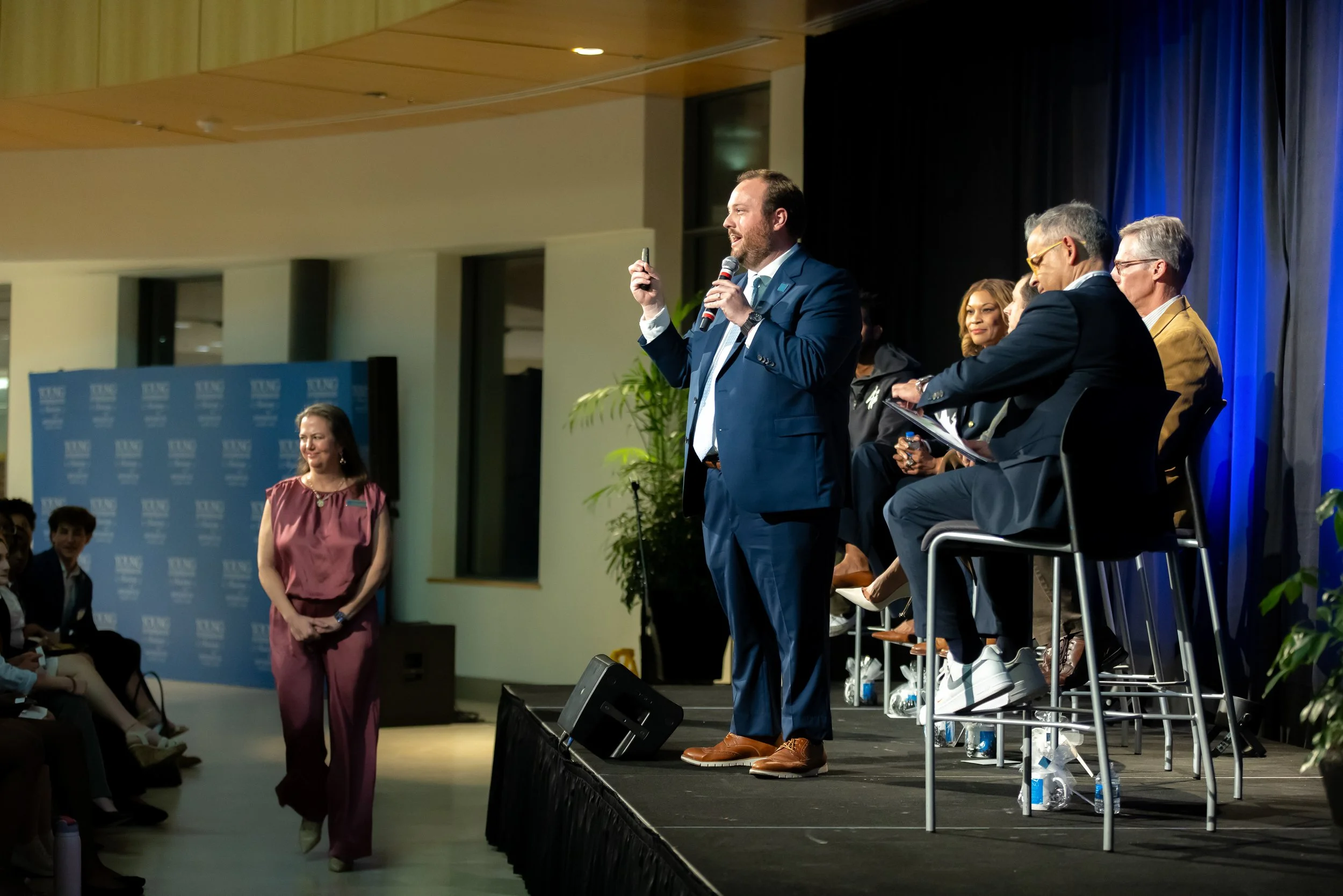
I think this new approach will give mentors more insight and investment into their mentee's vision, and they'll get to see the business evolve right alongside the student.
That's the whole point of being a mentor, helping someone learn what they can do and watching them grow. There's no way this can fail, my A.I. chatbot keeps telling me!
What's something you considered doing this year and decided not to? What made you pull back?
We are changing the expectations around prototypes, but maybe not as drastically as I first wanted to. Traditionally, if a student went out and created a prototype of their product, good on them, but it wasn't required.
After speaking with entrepreneurs in the community, parents of former YEA students, and our alumni, I realized the prototype is such a key component to a business being successful, and we weren't spending much, if any, time discussing how to make one, test one, or sell one.
So at first, I thought every student who needs a prototype should be connected to our resources around town, LSU, the public libraries, the community colleges, NEXUS LA, and that the prototype process should become a major component of the program. Enough so that if you don't create a prototype, you shouldn't graduate from YEA.
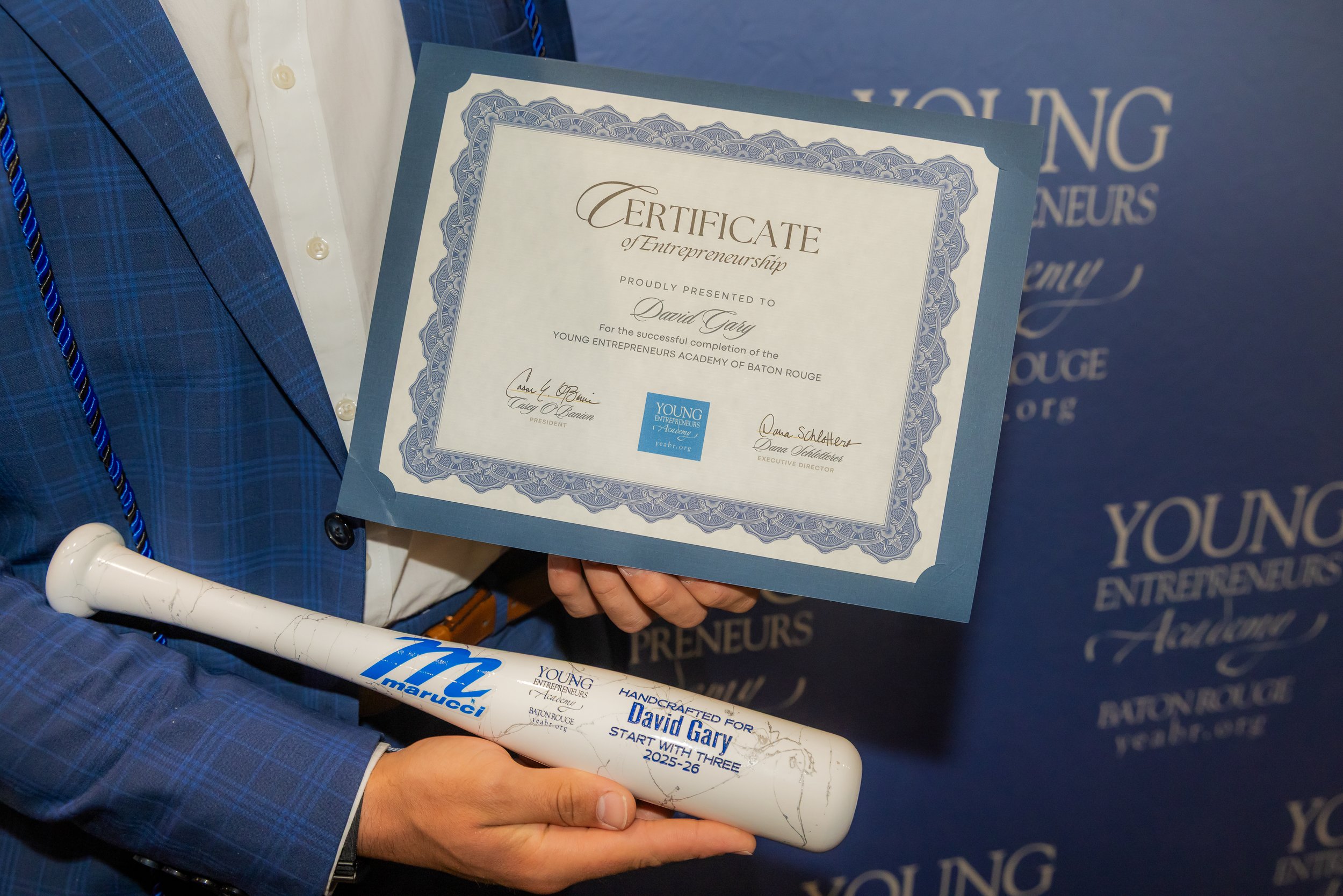
Graduation from YEA BR carries college credit at LSU in an entrepreneurial course, and I take that trust from LSU very seriously. Students need to come to class, learn the soft skills of owning a business, prepare for and pitch to a room full of people, and know how to responsibly handle the seed funding they earn at the end of the process.
So my thought was that the prototype should become just as important as the business plan or the idea generation phase. I think that was premature.
Quite frankly, I'm not knowledgeable enough about how to build a prototype of a clay pot, so I need to learn more about the process before I try to implement a change that drastic.
Is there a story, decision, or thought that hasn't come up yet but feels worth sharing?
Our students experience a lot of firsts in YEA. For some of them, it's their first time on a college campus, their first time spending real time with someone outside their community, their first time speaking on a microphone to a crowd, their first time failing at something.
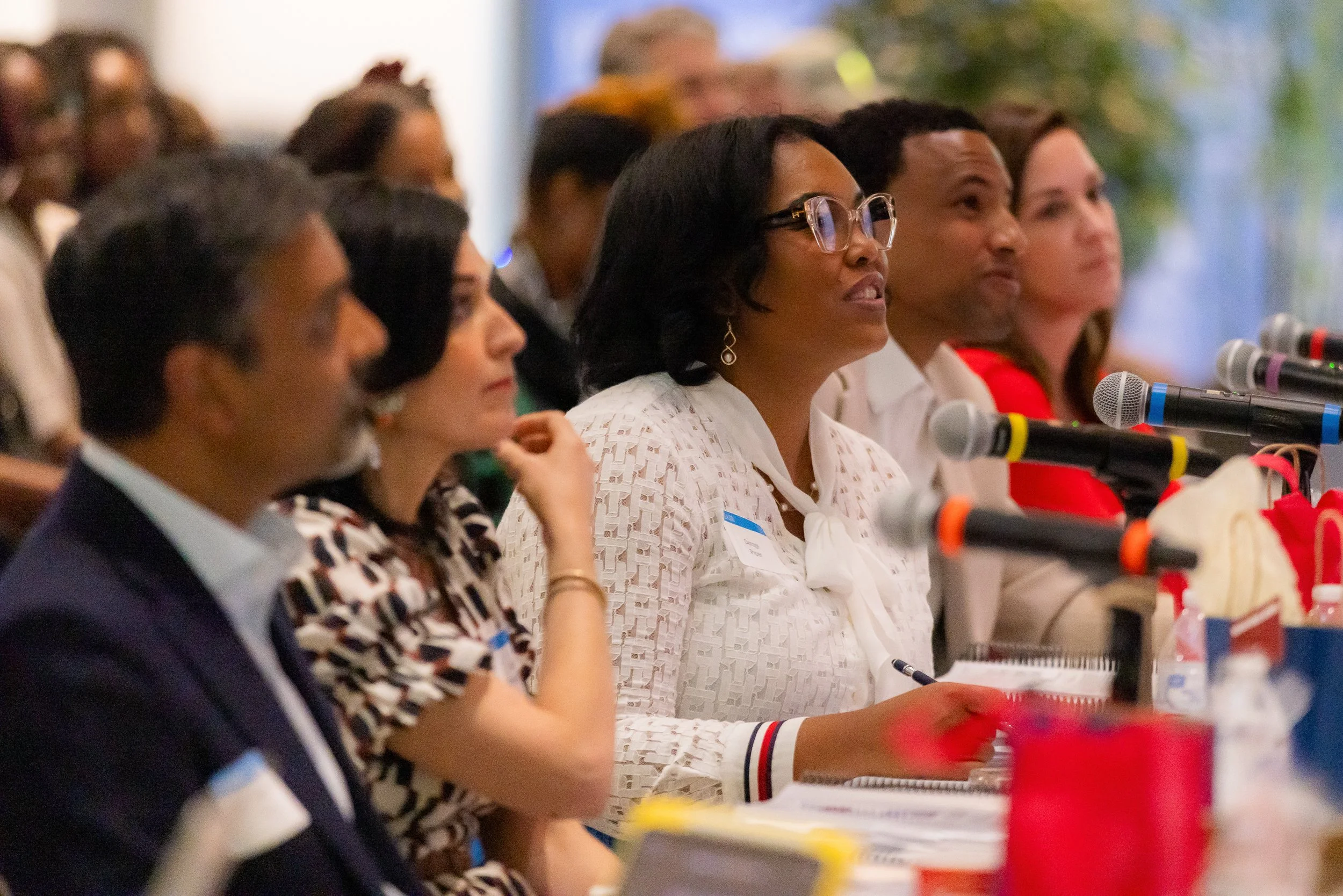
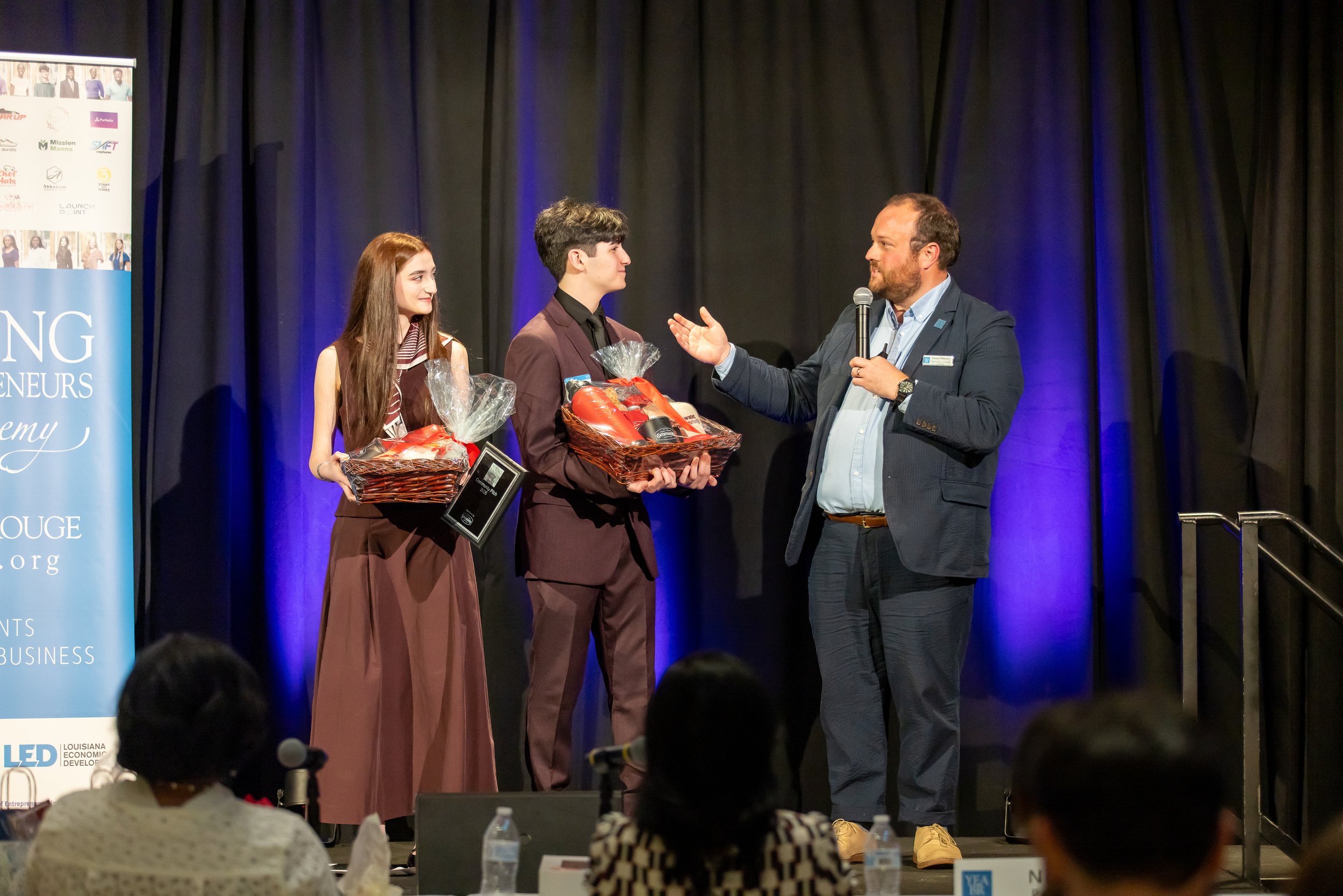
It might be their first time hearing constructive criticism about an idea they've either told their whole family about (and everyone loves it) or never told anyone about because they were worried people wouldn't like it. Or their first time meeting adults who listen to their ideas as peers.
We care deeply about those experiences being positive and impactful. Parents have entrusted YEA with their kids for 25 nights a year. Donors have given to make sure this program is long lasting. Mentors have shown up to help students grow, and the students are showing up every week to make the most of what YEA has to offer.
We want them to know we care about their time with us, and after they graduate, that they've met people along the way, us, the professors, speakers, donors, mentors, who care about their journey and are here to help. And that they should take these tools and help someone else in return.
If you've got your own "why" you keep circling back to, the pitch you've given a hundred times in your head but never out loud, let's talk about how to make it happen.
I partner 1:1 with founders, creatives, and community leaders in my ClarityLAB sessions, where your vision turns into actions that build a movement.
Programs like this become more impactful the more you learn about the why behind it, the more you realize how intentional every piece of it really is.
If any of this resonated with you, and you know a student in grades 9 through 12 anywhere in the Greater Baton Rouge area with that spark, I encourage you to pass along this article.
The applications close Sunday, August 16th.
You can visit yeabr.org to apply or learn more.
Thank you, Casey, for trusting me with your time and your honesty. And thank you to everyone who has ever mentored, spoken, donated, or shown up for these kids. Y'all are the reason I keep coming back year after year.
Photos taken by Jenn Ocken © 2026 for this article. To inquire about additional usage, contact 225-590-3731 or info@jennockenphotography.com.
